


Tè Premium Xiao Qing Gan (mini mandarini ripieni di Pu Erh)
Tè Premium Xiao Qing Gan (mini mandarini ripieni di Pu Erh)
Impossibile caricare la disponibilità di ritiro
Siamo lieti di presentare i nostri Xiao Qing Gan (小青柑) Premium, realizzati con mandarini verdi scavati e riempiti con tè Pu erh maturo di prima scelta ed essiccati al sole alla perfezione.
Ogni mandarino può infondere fino a 2 litri di tè, offrendo un delizioso aroma di buccia di mandarino fino all'ultima infusione.
Ogni Xiao Qing Gan pesa tra 10 e 14 grammi, con una media di 12 grammi.
Il tè Pu erh maturo perfetto per i Xiao Qing Gan
Nel 2018, il tè Xiao Qing Gan è diventato così popolare che procurarsene di qualità era quasi impossibile. Con l’aumento della domanda, i marchi cinesi di tè si sono affrettati a offrire questo tè unico. Ma invece di procurarci questo tè da terzi, abbiamo deciso di intraprendere il nostro viaggio per produrre da zero il perfetto Xiao Qing Gan.
Dopo aver assaggiato e riassaggiato vari tè Xiao Qing Gan nel 2020, abbiamo riscontrato che molti mancavano di complessità e di equilibrio tra l'aroma di mandarino e il tè Pu erh maturo. Alcuni avevano un profumo di agrumi travolgente, mentre altri avevano un sapore troppo terroso.
Abbiamo concluso che il tè Pu erh maturo ideale per i Xiao Qing Gan dovrebbe essere una miscela di foglie più piccole e più giovani, con una post-fermentazione meno intensa. Ciò ha prodotto un tè più complesso, equilibrato e meno terroso. Inoltre, applicando le nostre conoscenze sulla produzione del tè al gelsomino, abbiamo perfezionato il metodo di lavorazione del tè Pu erh maturo per migliorarne l'assorbimento dell'aroma di agrumi.
Nell'estate 2024 sono stati raccolti mandarini verdi freschi provenienti dalla regione Xinhui del Guangdong. Sono stati puliti, svuotati e riempiti con il nostro tè Pu erh maturo. Sono stati poi essiccati naturalmente al sole, avvolti in carta e conservati per un ulteriore invecchiamento e assorbimento degli aromi.
Origine
Origine
- Origine: Xin Hui & Menghai
- Anno di raccolta dei mandarini: 2024
- Anno di raccolta del tè: 2020
Come preparare questo tè
Come preparare questo tè
How to make Xiao Qing Gan tea?
Steep one little tangerine in 500ml water at 100ºC for 4 minutes. This will result an optimal balance between the flavour of ripe pu erh and orange peel.
For the second steep, you can shorten the steeping time to 2 minutes. Then for every next steep, you can increase the steeping time by 1 minute.
Gongfu method
If you prefer to steep a little tanginess the traditional way, then steep one Xiao Qing Gan with 100ml of water at 100ºC. Apply a steeping time of 80s, 70s, 60s, 50s for the first 4 steeps, respectively. Afterwards, you can gradually increase the steeping time for every next steep.
For more information, please visit this page: How to make Xiao Qing Gan tea
Shipping, Returns & Payment Methods
Shipping, Returns & Payment Methods
Tempi di consegna: da 5 a 9 giorni per l’Italia. Per conoscere i tempi di consegna negli altri Paesi, consulta la nostra pagina dedicata alle spedizioni.
Nessuna tassa d’importazione nell’UE: spediamo dal nostro magazzino nell’UE. I clienti residenti nei Paesi dell’UE non devono pagare tasse d’importazione al momento della consegna. Tutte le imposte applicabili sono già incluse nei nostri prezzi.
Spedizione gratuita: per ordini a partire da 85 € verso l’Italia e la maggior parte degli altri Paesi dell’UE.
Resi: offriamo un periodo di reso di 30 giorni.


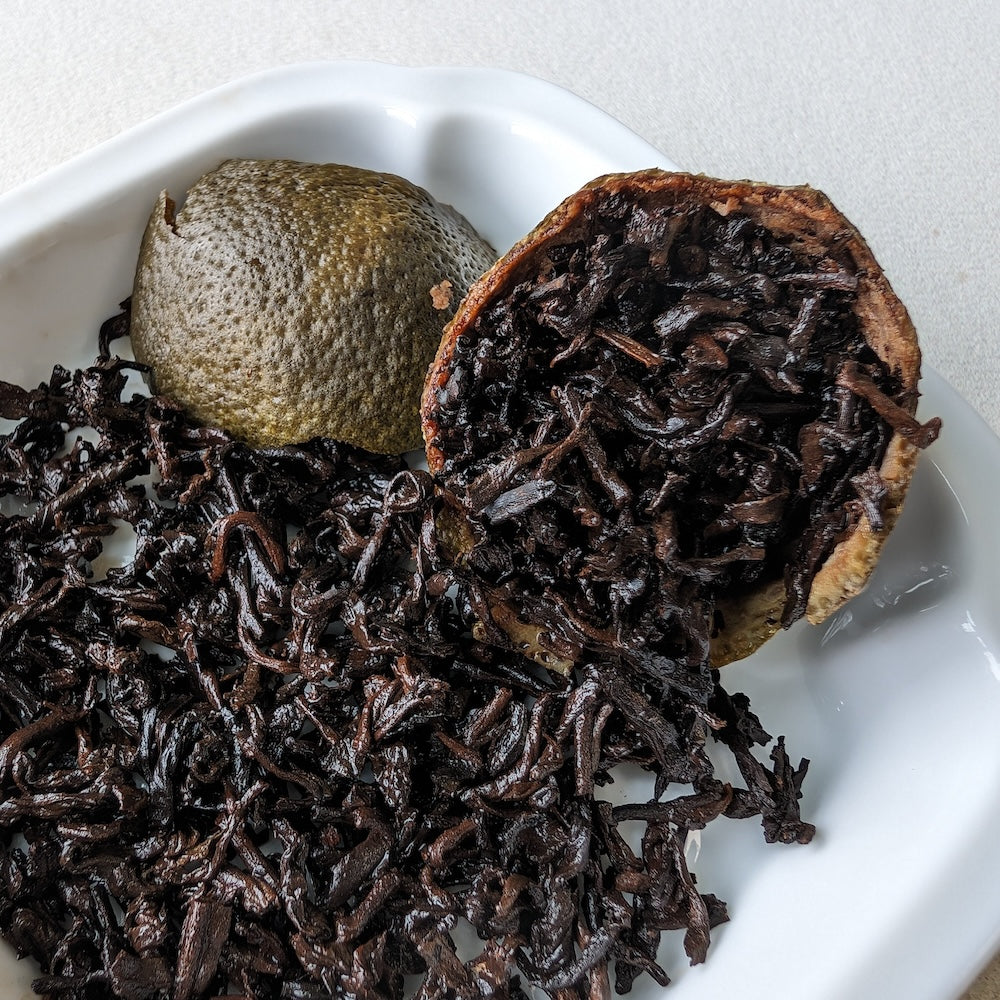
Taste is pleasant, but tea is not as strong I would have thought. For the price, definetily value for the money though.
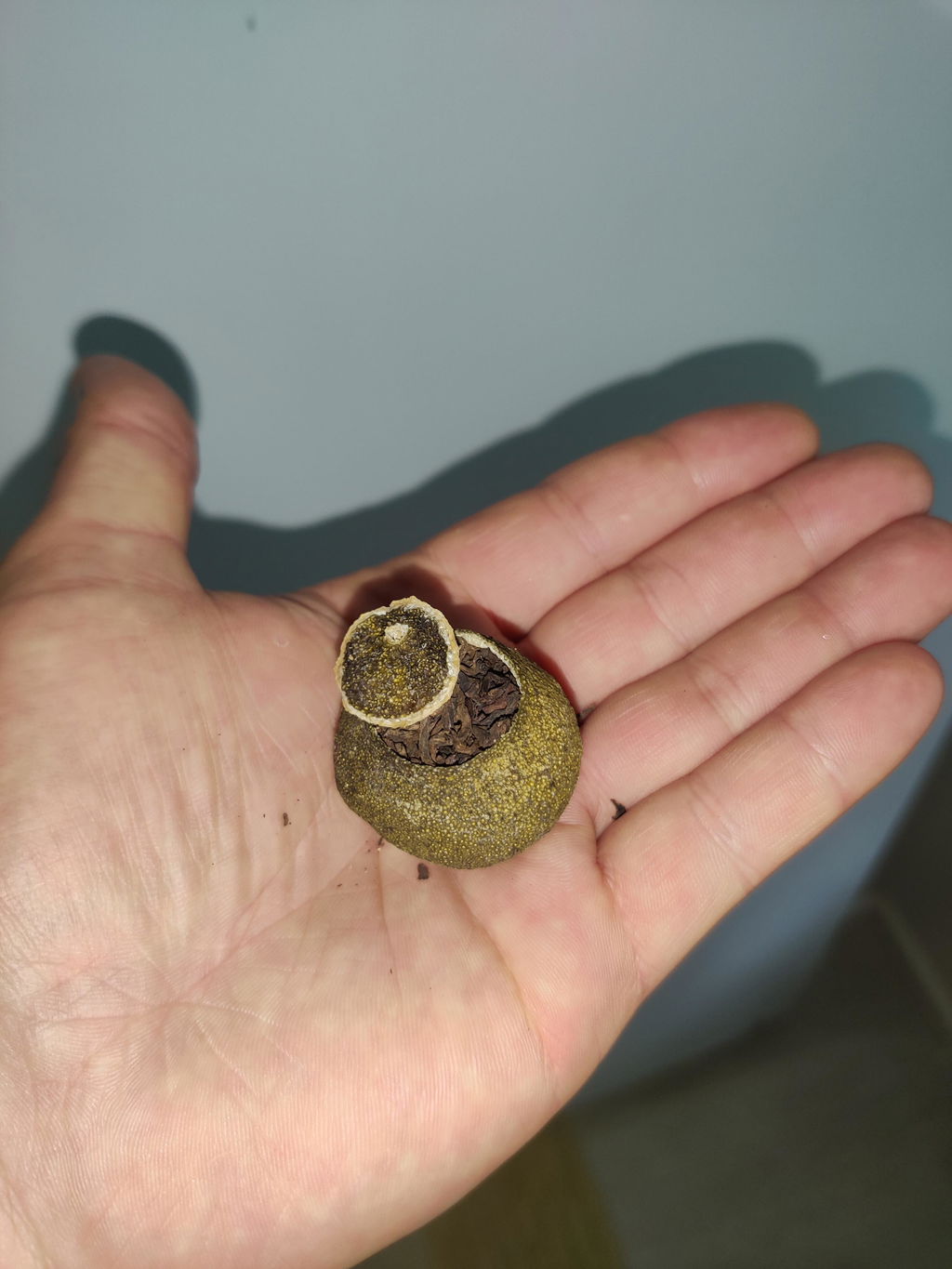
Thank you for your review! With this tea, we sourced a ripe pu erh tea that is somewhat more lightly post-fermented to achieve a certain balance between the earthiness of ripe pu erh and the fragrance of the fruit. So you can consider this a milder, more delicate Xiao Qing. You may tweak the steeping parameters to get a stronger brew, but we think the 'Fortune xiao qing gan', might suit you better.
The exterior, freshly unwrapped, is already quite captivating. This small, whole, dark green tangerine appears with an even smaller peel cap on top and a strong, fragrant citrus aroma, albeit with an underlying hint of the earthy notes typical of ripe Puerh. Using the Gongfu method at a temperature of 98°C, starting at about 90 seconds and then decreasing, the first infusion releases a citrus aroma, while camphorous notes develop from the tea leaves.
The color ranges from deep amber to red, and the perfect blend of citrus and tea is evident once again in the taste: the mandarin aroma is balanced by the tea's earthy, tobacco, and chocolate notes, which emerge in the middle stage, giving way to the typical sweetness of the dried fruit, which then returns to the citrus in the lingering aftertaste. Proceeding with successive infusions, the smoothness and sweetness of the Puerh grow in intensity and pleasure. It's a complete sensory experience that engages not only the taste and smell, but also the sight.
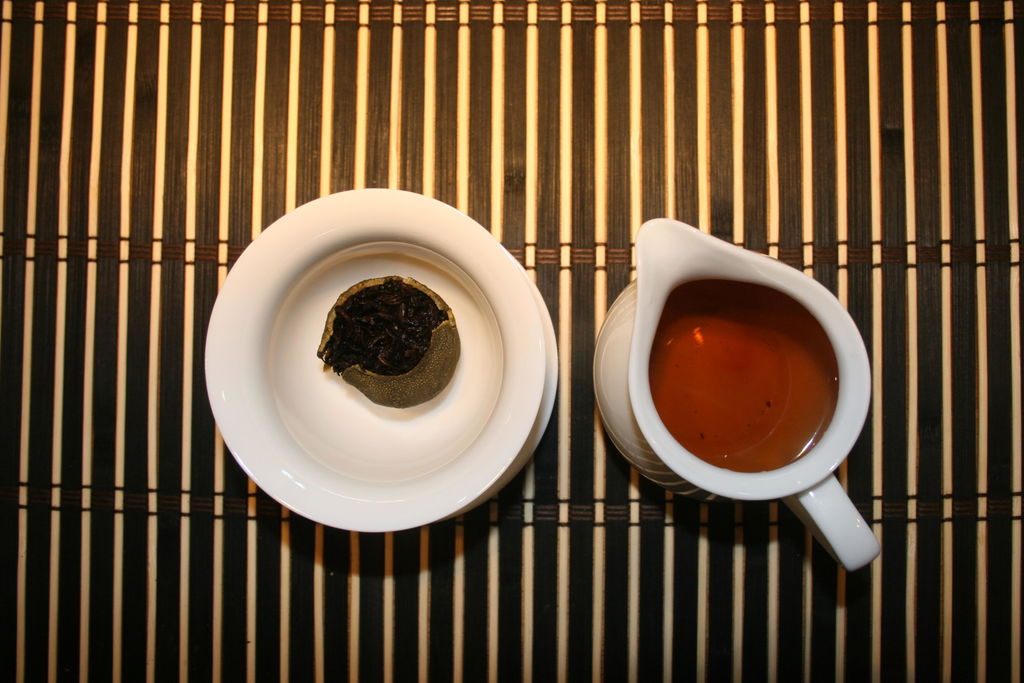
Realy good Xiao Qing Gan. Love the flavour of the pu Erh tea with the citrus flavour.
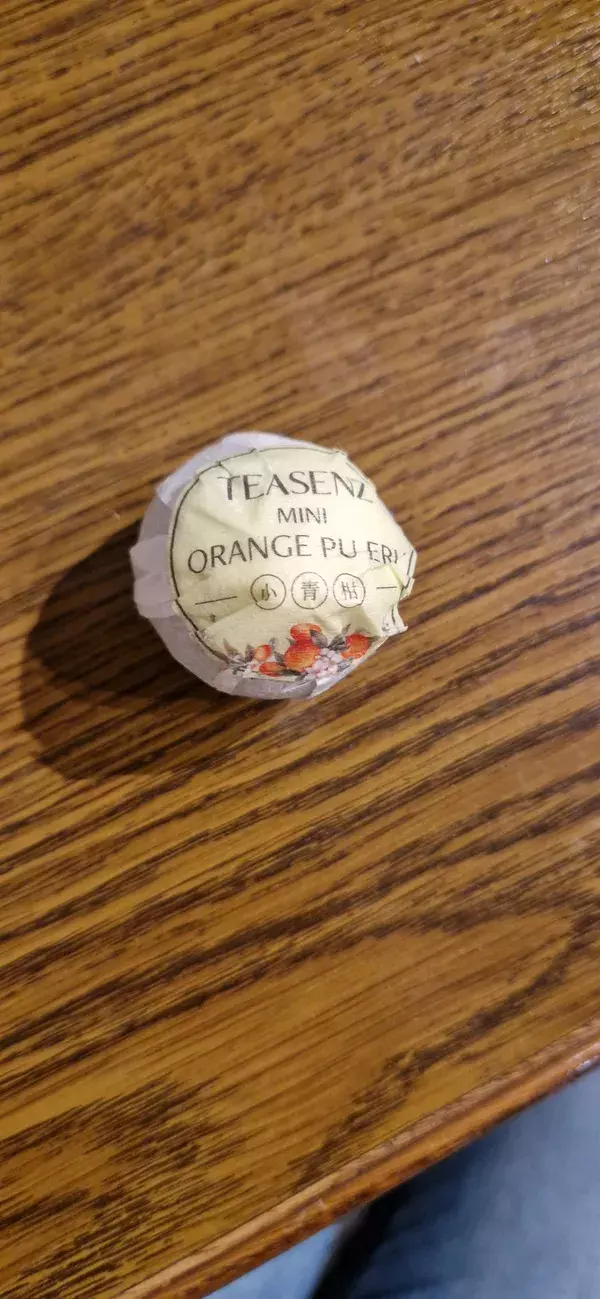
Nice twist on pu erh! The tangerine gives it a fresh touch. I expected it to be a bit more citrusy, but this is also my first time trying this type of pu erh.
Very good—it has a strong flavor and a good infusion time.
This is a great shu pu erh. The tangerine gives it a refreshing citrusy touch. It is also very easy to brew!
I really enjoyed this tea!!
Erg leuk. Kleine mandarijntjes. De hele dag thee met één mandarijntje. Blijft lekker ook! Zeer kort trekken is het lekkerst, anders wordt de ther wel erg aards. Maar niet bitter! Het was even puzzelen hoe het mandarijntje tussen twee koppen te bewaren. Uiteindelijk uitgekomen op thee zetten met afgemeten water in een theepot. Daarna gewoon mandarijntje in de theepot laten zitten. Zonder water... Goed voor zeker 4 grote koppen. Misschien wel meer.
Tip Quality Pu Ehr
Sehr Lecker 😋
Great composition combining rich taste of puer and the xiao pi tase - deep, fruity, for me - christmassy.
Lovely gentile fruti Pu-Ehr. round, with a little orange. lasts me through the day!
Hi Bas, we're glad you liked it! One of the things we like about xiao qing gan is that it doesn't release all its fragrance at once. As it's well aged and the orange aroma is fully absorbed, both the pu erh tea and the orange peel aroma has great endurance.
Delicious tea with a little orange taste
The fruit of the orange and the earthy flavour of the tea is well balanced and makes a nice sensation in the mouth. Even my father, who is not much into tea really enjoys it.
Really like these chenpi teas - high quality stuff
Excellent tea! Love it! The aroma of tangerine is amazing and the taste is really good! Totally recommended! You can brew it many times!

Il nostro lavoro di design si ispira all'opera d'arte "Lungo il Fiume Durante il Festival Qingming" attribuito all'artista Zhang Zeduan vissuto durante la dinastia Song. Tuttavia, invece di mostrare la vita quotidiana delle persone nella capitale cinese (come nell’opera originale), con questo design raffiuguriamo gli agricoltori intenti nelle fasi di produzione del tè attraverso la stessa prospettiva a volo d’uccello.
Esaminando in dettaglio il design del nostro packaging, gli appassionati di tè osserveranno il processo di preparazione del tè: i coltivatori raccolgono, essiccano, arrotolano e cuociono le foglie di tè. Il tè viene poi degustato in un padiglione e trasportato da cavalli lungo “L’Antica Via del Tè e dei Cavalli” .
Il paesaggio tradizionale cinese e il tema della produzione del tè simboleggiano il patrimonio, la tradizione e il rispetto per il duro lavoro dei coltivatori del tè.