


2013/2019 Chaze 'Da Huang Yin' Contrassegno Giallo, Torta di Tè Pu Erh Maturo 357g
2013/2019 Chaze 'Da Huang Yin' Contrassegno Giallo, Torta di Tè Pu Erh Maturo 357g
Impossibile caricare la disponibilità di ritiro
Questo tè pu erh maturo eccezionalmente morbido è prodotto con foglie raccolte nel 2013 e pressate in panetti nel 2019. Offre un delizioso ventaglio aromatico di riso, frutta a guscio, panna, frutti rossi e menta, accompagnato da una dolcezza rinfrescante. C'è anche qualcosa di davvero speciale in questo tè, che secondo noi lo distingue: un eccellente 'Chen Xiang'. Puoi scoprirne di più qui sotto.
Questo panetto di tè Etichetta Gialla della fabbrica Chaze è prodotto con materia prima pregiata (1 gemma, 2-3 foglie) proveniente dalla regione del tè di Menghai. Le foglie vengono raccolte da alberi selvatici della regione che hanno almeno 100 anni.
Chen Xiang: il profumo del tempo.
Il termine 'Chen Xiang' ricorre spesso nel mondo del tè pu erh e, a nostro avviso, se ne abusa un po'. Letteralmente significa 'il profumo del tempo'. Il Chen Xiang è difficile da descrivere: va sperimentato di persona.
Il tè pu erh maturo, come quello che vedi in questa pagina, non si trasforma con l'invecchiamento tanto quanto il tè pu erh crudo. Tuttavia, il Chen Xiang può svilupparsi quando un tè pu erh maturo viene prodotto con materia prima di alta qualità, sottoposto a una lavorazione equilibrata e non troppo aggressiva e conservato in condizioni ottimali. Questo panetto di tè pu erh racchiude proprio queste qualità, ed è per questo che lo abbiamo aggiunto alla nostra collezione.
Origine
Origine
- Marca: Fabbrica di Tè Chaze
- Anno: 2013
- Stagione: Primavera
- Provenienza: Menghai
- Qualità delle foglie: foglie di tè selvatico
- Varietà (cultivar): grande foglia Assamica (Da Ye Zhong)
- Tipo: tè pu erh
- Peso: 357g
- Tipo: maturo (shou)
- Serie/ricetta: Etichetta Gialla (Da Huang Yin)
- Forma: torta di tè pu erh
Come preparare questo tè
Come preparare questo tè
Come preparare questo tè pu erh Chaze Contrassegno Giallo?
Esistono due metodi per preparare questo tè:
Metodo Gongfu
Infondere 5 grammi con 100 ml di acqua a 100 °C. Lasciare in infusione per 15 secondi e aumentare gradualmente i secondi per ogni infusione successiva.
Metodo occidentale
Lasciare in infusione 3 grammi con 350 ml di acqua a 100 °C. Applicare un tempo di infusione di 3 minuti e aggiungere 1 minuto per ogni infusione successiva.
Spedizione, Resi & Metodi di Pagamento
Spedizione, Resi & Metodi di Pagamento
Tempi di consegna: da 5 a 9 giorni per l’Italia. Per conoscere i tempi di consegna negli altri Paesi, consulta la nostra pagina dedicata alle spedizioni.
Nessuna tassa d’importazione nell’UE: spediamo dal nostro magazzino nell’UE. I clienti residenti nei Paesi dell’UE non devono pagare tasse d’importazione al momento della consegna. Tutte le imposte applicabili sono già incluse nei nostri prezzi.
Spedizione gratuita: per ordini a partire da 85 € verso l’Italia e la maggior parte degli altri Paesi dell’UE.
Resi: offriamo un periodo di reso di 30 giorni.


Come viene fatto questo tè pu erh maturo
-
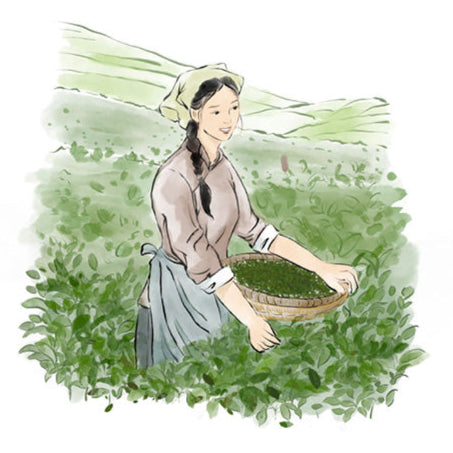
Raccolta
Le foglie di tè vengono raccolte a mano al mattino.
-
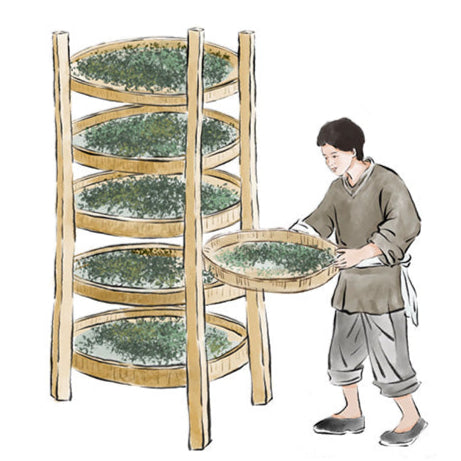
Appassimento
Le foglie sono sparse su vassoi di bambù per appassire.
-
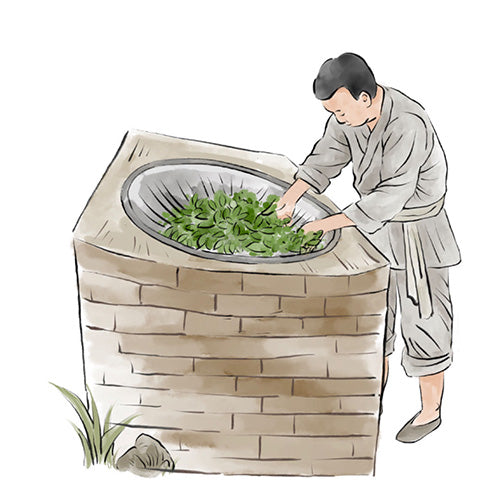
Stabilizzazione
Le foglie essiccate vengono riscaldate per arrestare l'ossidazione.
-
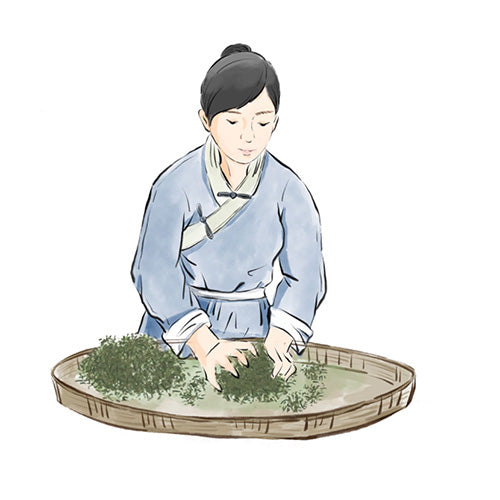
Arrotolamento
Le foglie di tè vengono arrotolate per liberare il loro aroma.
-
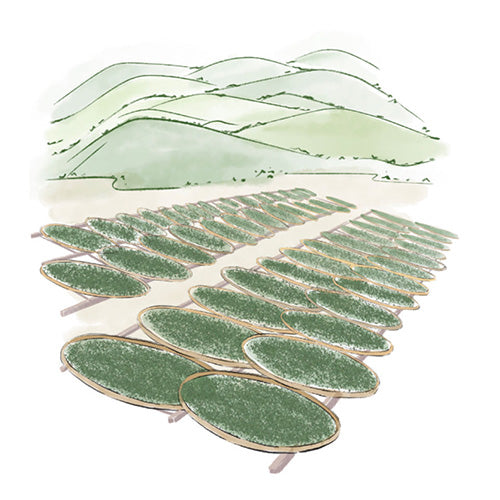
Essiccazione al sole
Le foglie arrotolate vengono stese su stuoie di bambù per essiccare al sole.
-

Fermentazione
Le foglie vengono postfermentate in un ambiente controllato.
-
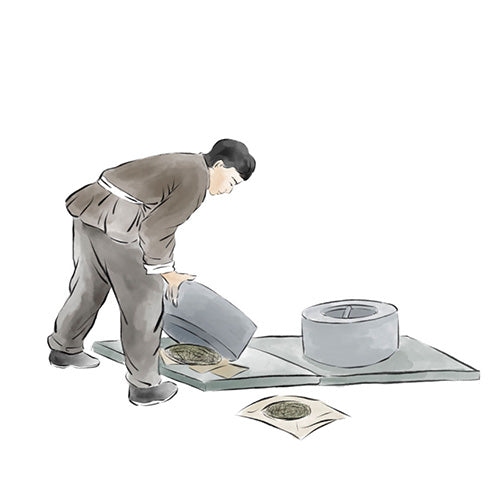
Pressatura
Il tè post-fermentato è cotto a vapore e compresso.
-
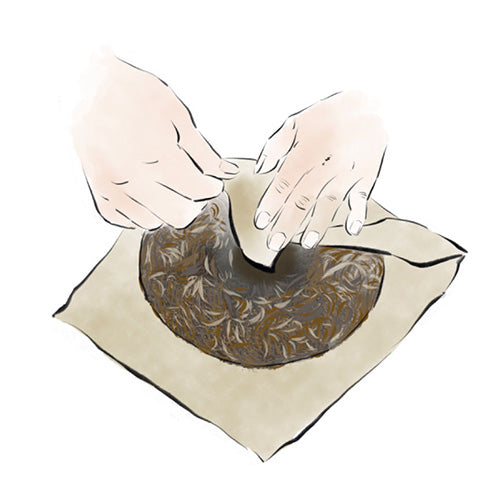
Confezionamento
Il tè compresso è avvolto nella carta e confezionato in scatole.

