


Anji Bai Cha - Tè Bianco Anji
Anji Bai Cha - Tè Bianco Anji
Impossibile caricare la disponibilità di ritiro
Goditi uno dei tè verdi più famosi della Cina con un aroma di bambù dolce, miele e fiori di campo, con sentori di pera e agrumi. Il nostro Anji Bai Cha è di qualità superiore, raccolto ad inizio primavera prima del festival Qingming.
Tè Bianco o Tè Verde?
Essendo un tè verde chiamato 'Tè Bianco Anji', il suo nome può confondere. Il termine 'bianco' si riferisce infatti alla specifica cultivar delle foglie di tè, le quali hanno un colore più chiaro. Sebbene le foglie secche non appaiano bianche, l'infusione in acqua calda ne rivela il colore delicato.
Villaggio Anji
Come rivela già il nome, il Tè Bianco Anji proviene dal villaggio di Anji nella provincia di Zhejiang. Il villaggio ospita una piccola comunità che si guadagna da vivere coltivando bambù, fiori e ovviamente il tè.
Origine
Origine
- Marca: Teasenz
- Anno: 2026
- Stagione: Primavera
- Provenienza: Anji, Zhejiang
- Tipo: tè verde
Spedizione, Resi & Metodi di Pagamento
Spedizione, Resi & Metodi di Pagamento
Tempi di consegna: da 5 a 9 giorni per l’Italia. Per conoscere i tempi di consegna negli altri Paesi, consulta la nostra pagina dedicata alle spedizioni.
Nessuna tassa d’importazione nell’UE: spediamo dal nostro magazzino nell’UE. I clienti residenti nei Paesi dell’UE non devono pagare tasse d’importazione al momento della consegna. Tutte le imposte applicabili sono già incluse nei nostri prezzi.
Spedizione gratuita: per ordini a partire da 85 € verso l’Italia e la maggior parte degli altri Paesi dell’UE.
Resi: offriamo un periodo di reso di 30 giorni.


Come preparare il tè Anji Bai Cha
-

Metodo normale/occidentale
Acquista teiere / tazzeTemperatura: 80 °C
Tempo: 2 minuti
Infusione successiva: 5 min
Tè/acqua: 4 grammi / 500 ml di acqua
Accessori per il tè: teiera grande / tazza
-

Metodo tradizionale/gongfu
Acquista GaiwanTemperatura: 80 °C
Tempo: 20 secondi
Infusioni successive: 20s, 20s, 25s, 30s, 40s ecc.
Tè/acqua: 5 grammi / 100 ml di acqua
Accessori per il tè: gaiwan / teiera di Yixing
-

Infusione a freddo
Acquista bottiglie per cold brewTemperatura: conservare in frigorifero
Tempo: 9 ore
Tè/acqua: 8 grammi / 1 litro
Accessori per il tè: bottiglia / caraffa
Servizio: servire con ghiaccio


Come viene fatto questo tè verde
-
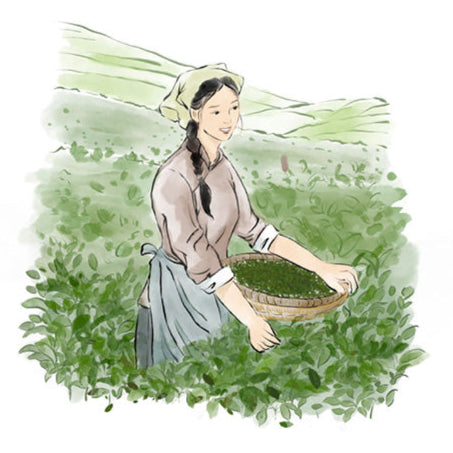
Raccolta
Le foglie di tè vengono raccolte a mano al mattino.
-
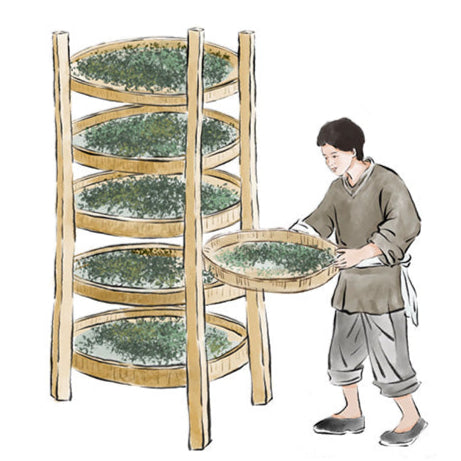
Appassimento
Le foglie sono leggermente appassite per eliminare un po' di umidità.
-
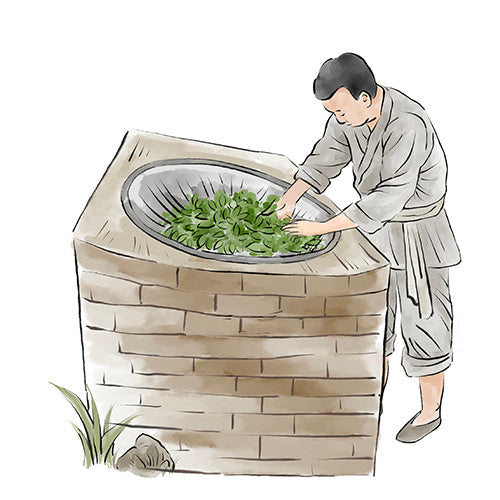
Stabilizzazione (cottura in padella) e Foggiatura
Le foglie vengono tostate in un wok per arrestare l'ossidazione.
-
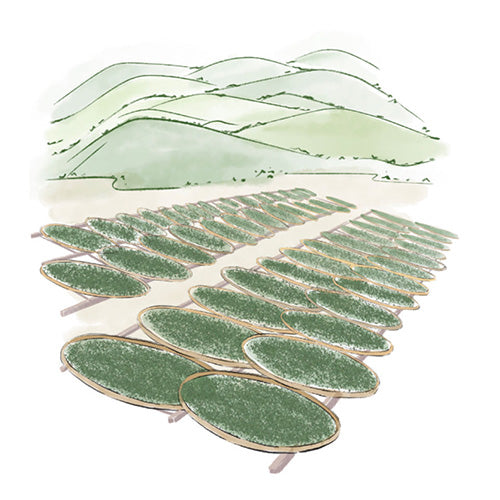
Essiccazione
Le foglie di tè vengono essiccate per ridurre al minimo l'umidità.
The dried leaves reveal their innate freshness as soon as you open the package. They are very light, a pale green color verging on yellow, if not white.
After infusion, performed using the Western method at 80°C for 1.5 minutes, the tender buds open, revealing an extremely light yellow color and, above all, a slightly vegetal aroma with notes of orchid.
The color of the liqueur is also pale yellow and crystal clear. The taste and aroma of this delicacy are incredibly and pleasantly complex. Its fresh, sweet, and delicate flavor preserves the previously revealed vegetal and floral notes, even revealing typical umami nuances.
The body manages to be both soft and velvety, demonstrating how perfection can be captured in a cup of tea.
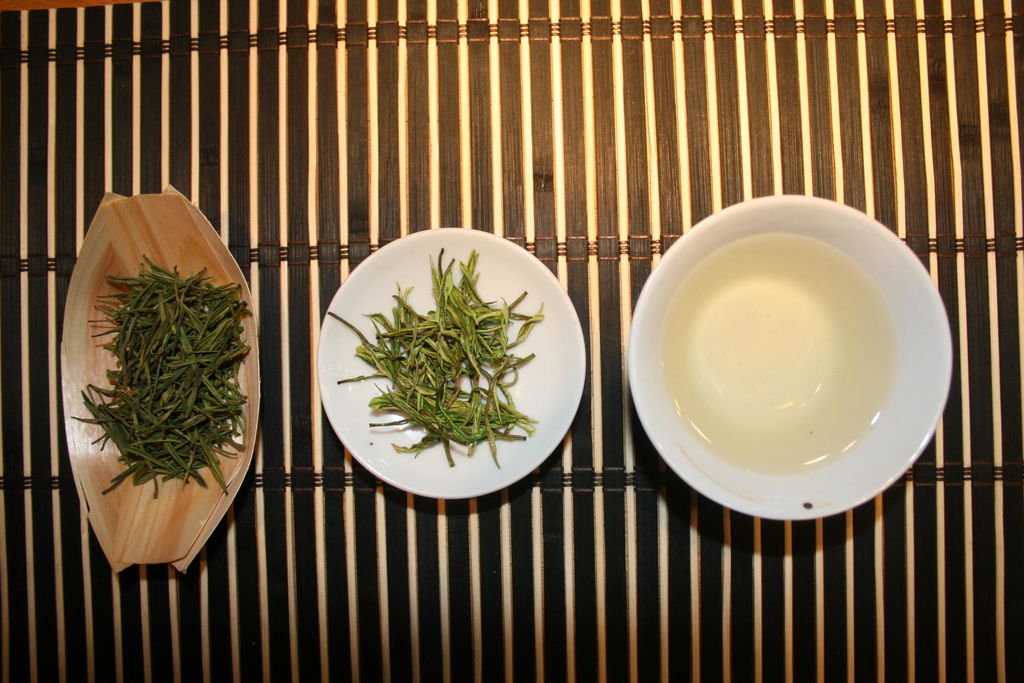
Nice and aromatic, not astringent. Less suitable for a long series of steeps. We did 4 steeps, the 5th was missing one of the tones in the flavour. Beautiful and intact leaves.
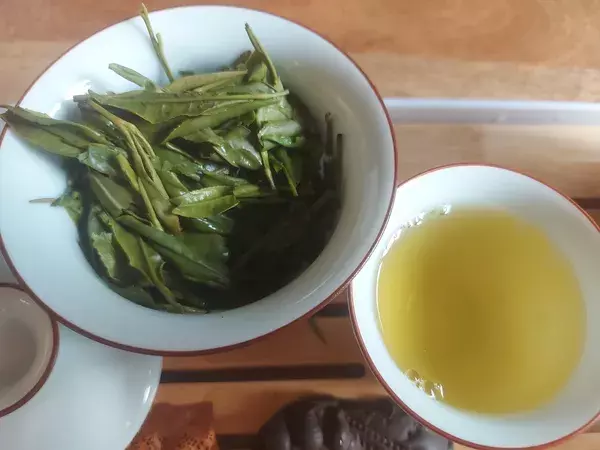
My first experience of Anji bai cha so I’m not certain what to expect, but I do find it very light and enjoyable. Doesn’t go bitter like other greens, even handles high temperature water. Because of this I find I get more brewings out of it. Great daily uncomplicated tea :)
Was curious about this tea, given its acclaim. It's very gentle, no bitterness or astringency, but a smooth silky body Has a certain fullness in the mouth. However it becomes more interesting with later flushes as the liquid becomes darker, maybe a taint violet-ish which reminds me of violet cultivars (but without their astringency). Initial flushes need to be longer than with other green teas. Reason for rating 4 - I just like some other green teas better, but this was an interesting session.
Lovely green tea, does not get bitter and tastes very refreshing
Really really particular tea: it reminds me the Long Jing (Dragon Well) but the flavour is less flowery but with some details of pear and citrus. Low caffeine quantity, so it's really good in the evening.
I am not an experienced tea drinker but I like green teas. I can describe this tea as follows:
- brewing, 1 minute is plenty as stated on a package
- smell. I would describe it as sweet hay
- taste. sweet and grassy.
The dry leaves look like the photo and smell like a meadow that is no longer completely freshly mown. The infusion with 85°C warm, softened water smells of steamed vegetables, clearly spinach to my nose. This association also dominates throughout the tasting (the leaves not removed). A beautiful golden color develops and the taste intensifies but hardly changes its note. It doesn't get bitter either, which I think is a bit of a shame. However, it's a matter of preferences. Overall, a great green - or should I say yellow - tea.
The liquor is pale and luminous, immediately soft on the palate, with no trace of bitterness. The taste is clean and creamy, gently sweet, with notes of fresh bamboo, young greens and a subtle floral lift reminiscent of spring orchids.
The texture is smooth and calming, almost meditative, leaving a lingering sensation of freshness and clarity. A tea of balance and restraint—refined, pure, and effortlessly serene.
Very good tea, I like the nutty flaovur
A bit more on vegetable side, less nutty but very good.
I love it . Excellent tea 🤗

Il nostro lavoro di design si ispira all'opera d'arte "Lungo il Fiume Durante il Festival Qingming" attribuito all'artista Zhang Zeduan vissuto durante la dinastia Song. Tuttavia, invece di mostrare la vita quotidiana delle persone nella capitale cinese (come nell’opera originale), con questo design raffiuguriamo gli agricoltori intenti nelle fasi di produzione del tè attraverso la stessa prospettiva a volo d’uccello.
Esaminando in dettaglio il design del nostro packaging, gli appassionati di tè osserveranno il processo di preparazione del tè: i coltivatori raccolgono, essiccano, arrotolano e cuociono le foglie di tè. Il tè viene poi degustato in un padiglione e trasportato da cavalli lungo “L’Antica Via del Tè e dei Cavalli” .
Il paesaggio tradizionale cinese e il tema della produzione del tè simboleggiano il patrimonio, la tradizione e il rispetto per il duro lavoro dei coltivatori del tè.