


2016 Puer tè stagionato Oripuerlab Jia Mu
2016 Puer tè stagionato Oripuerlab Jia Mu
Questo tè pu erh Jia Mu di seconda generazione di Oripuerlab presenta una distinta fragranza di legno di canfora. La torta è composta da piccole foglie di tè che fermentano in modo relativamente intenso, producendo una infusione di tè legnosa, terrosa e scura con un retrogusto dolce.
Fragranza di legno di canfora
Questa è la fragranza unica del legno di canfora che si trasforma in dolcezza in bocca, che fa risaltare questo tè pu erh maturo.
Villaggio Mi Lin
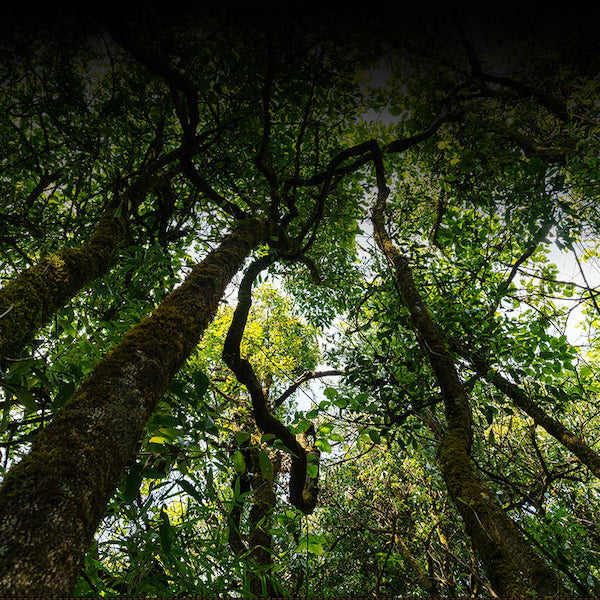
Secondo Oripuerlab questa torta al tè è creata con foglie raccolte da antichi alberi del tè nel villaggio di Mi Lin, nello Yunnan. Dopo aver sperimentato diversi materiali provenienti da aree più remote dello Yunnan, hanno scoperto che le foglie di tè lavorate solo da questo particolare villaggio producevano una rara fragranza di legno di canfora.
Nota: Oripuerlab è anche conosciuto come 'Jee-Puer' o 'Ji Pu Hao'.
Origin
Origin
- Anno: 2016
- Stagione: Primavera
- Provenienza: Mi Lin, Yunnan
- Qualità delle foglie: gush
- Varietà (cultivar): grande foglia Assamica (Da Ye Zhong)
- Lotto: 1
- Compressione: media
- Tipo: maturo (shou)
- Marca: Oripuerlab
- Serie/ricetta: Jia Mu, 2ª Generazione
- Forma: torta di tè
- Peso: 200g
How to Steep
How to Steep
How to make this Jia Mu Pu Erh Tea??
There are two methods to prepare this pu erh tea cake:
Gongfu brewing
Brew 6 gram with 120 ml of water at 100 °C. Steep for 15 seconds for the first steep to loosen up the tea leaves. Apply a steeping time of 5 seconds for the second to the 5th steep. Afterwards, gradually increase the steeping time according to your taste.
Western brewing
Steep 3 gram with 350 ml of water at 100 °C. Apply a brewing time of 40 seconds and add 20 seconds for each subsequent infusion.



Our design work is inspired by the artwork “Along the River During the Qingming Festival” by the Zhang Zeduan in the Song Dynasty. Instead of displaying the daily lives of people in the capital of China (as the original artwork), we display the tea making process of farmers through the same bird’s eye perspective.
When examining our packaging design in detail, tea enthusiasts will observe the tea making process, featuring tea farmers picking, drying, rolling, and frying tea leaves. The tea is then tasted in a pavilion and transported by horses along the ‘ancient tea road’.
Together, the traditional Chinese landscape and tea making theme, symbolise heritage, tradition, and respect for hard work of tea farmers.