


Chá Premium Xiao Qing Gan (Mini Tangerina Recheada com Pu Erh)
Chá Premium Xiao Qing Gan (Mini Tangerina Recheada com Pu Erh)
Não foi possível carregar a disponibilidade de recolha
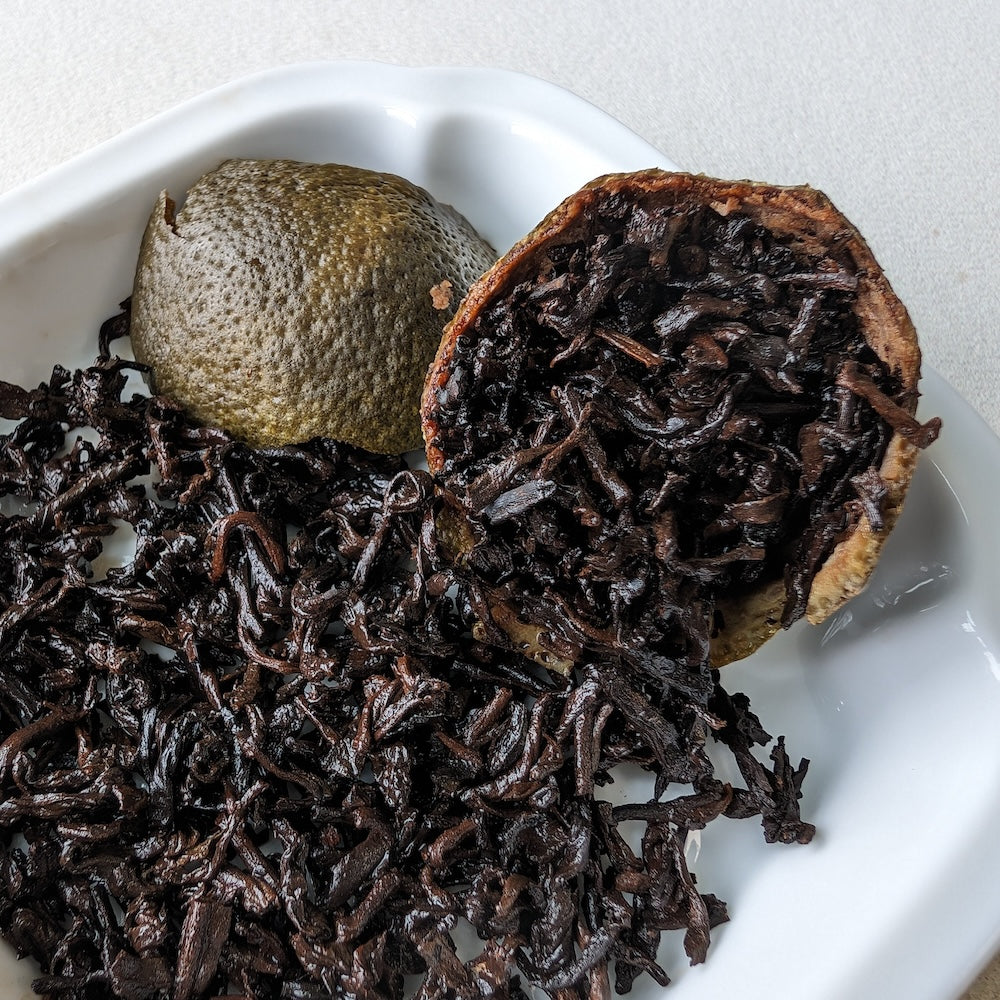
Temos o prazer de apresentar o nosso premium Xiao Qing Gan (小青柑), elaborado a partir de tangerinas verdes ocas, recheadas com chá pu erh maduro de primeira qualidade e secas ao sol até à perfeição.
Cada tangerina pode preparar até 2 litros de chá, oferecendo um delicioso aroma da casca de tangerina até à última infusão.
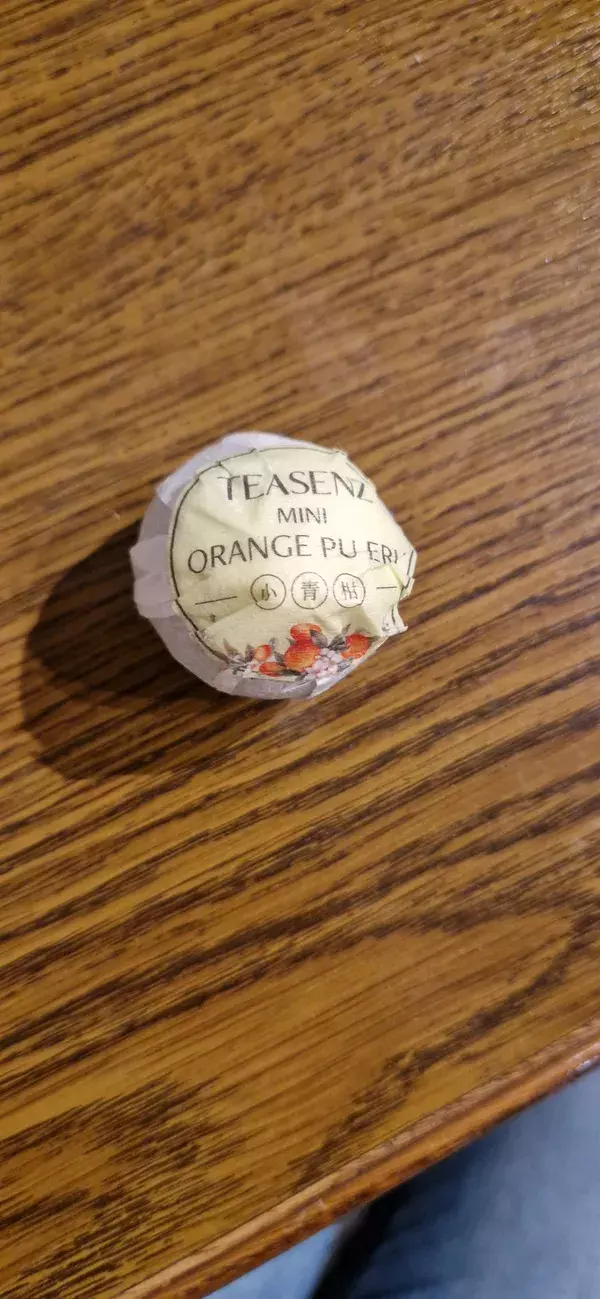
Cada Xiao Qing Gan pesa entre 10-14 gramas, com uma média de 12 gramas.
O chá pu erh maduro perfeito para Xiao Qing Gan
Em 2018, o chá Xiao Qing Gan tornou-se tão popular que encontrar exemplares de qualidade era quase impossível. À medida que a procura disparou, as marcas chinesas de chá esforçaram-se para oferecer este chá único. Em vez de adquirir este chá, decidimos embarcar na nossa própria jornada para produzir o Xiao Qing Gan perfeito desde o início.
Após provar vários chás Xiao Qing Gan em 2020, constatámos que muitos careciam de complexidade e equilíbrio entre o aroma da tangerina e o chá pu erh maduro. Alguns tinham um aroma cítrico demasiado intenso, enquanto outros apresentavam um sabor demasiado terroso.
Concluímos que o chá pu erh maduro ideal para Xiao Qing Gan deveria ser uma mistura de folhas mais pequenas e jovens, com uma pós-fermentação menos intensa. Isto produziu um chá mais complexo, equilibrado e menos terroso. Além disso, aplicando o nosso conhecimento na produção de chá de jasmim, refinámos o método de processamento do chá pu erh maduro para melhorar a absorção do aroma cítrico.
No verão de 2024, tangerinas verdes frescas da região de Xinhui, Guangdong, foram colhidas. Estas tangerinas foram limpas, ocas e recheadas com o nosso próprio chá pu erh maduro. Depois, foram naturalmente secas ao sol, embrulhadas em papel e armazenadas para envelhecimento e absorção do aroma.
Origem
Origem
- Origem: Xin Hui & Menghai
- Ano da Colheita da Tangerina: 2024
- Ano da Colheita do Chá: 2020
Como Infusionar
Como Infusionar
How to make Xiao Qing Gan tea?
Steep one little tangerine in 500ml water at 100ºC for 4 minutes. This will result an optimal balance between the flavour of ripe pu erh and orange peel.
For the second steep, you can shorten the steeping time to 2 minutes. Then for every next steep, you can increase the steeping time by 1 minute.
Gongfu method
If you prefer to steep a little tanginess the traditional way, then steep one Xiao Qing Gan with 100ml of water at 100ºC. Apply a steeping time of 80s, 70s, 60s, 50s for the first 4 steeps, respectively. Afterwards, you can gradually increase the steeping time for every next steep.
For more information, please visit this page: How to make Xiao Qing Gan tea
Envio, Devoluções e Métodos de Pagamento
Envio, Devoluções e Métodos de Pagamento
Prazo de entrega: a entrega na UE demora entre 1 e 10 dias. Para consultar as estimativas específicas de cada país, visite a página de informações de envio na parte inferior do nosso site.
Sem taxas de importação: enviamos a partir do nosso armazém na UE. Os clientes na UE não terão de pagar taxas de importação no momento da entrega. Todos os impostos aplicáveis estão incluídos nos nossos preços.
Envio gratuito: a partir de €65 para os Países Baixos, Bélgica, França, Alemanha, Luxemburgo e Irlanda. A partir de €85 para a maioria dos restantes países da UE e para o Reino Unido.
Devoluções: oferecemos um prazo de devolução de 30 dias.


Taste is pleasant, but tea is not as strong I would have thought. For the price, definetily value for the money though.
Thank you for your review! With this tea, we sourced a ripe pu erh tea that is somewhat more lightly post-fermented to achieve a certain balance between the earthiness of ripe pu erh and the fragrance of the fruit. So you can consider this a milder, more delicate Xiao Qing. You may tweak the steeping parameters to get a stronger brew, but we think the 'Fortune xiao qing gan', might suit you better.
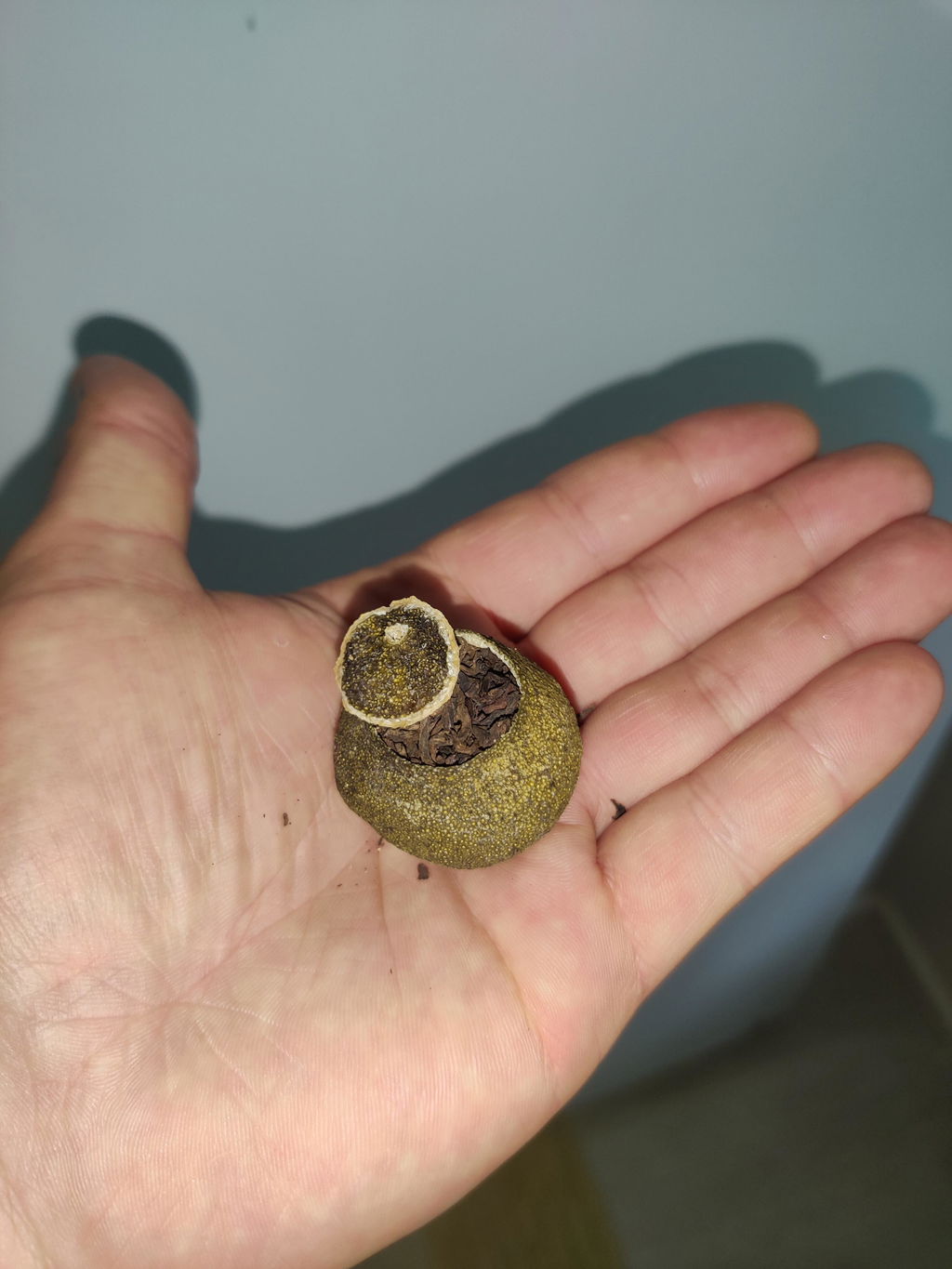
The exterior, freshly unwrapped, is already quite captivating. This small, whole, dark green tangerine appears with an even smaller peel cap on top and a strong, fragrant citrus aroma, albeit with an underlying hint of the earthy notes typical of ripe Puerh. Using the Gongfu method at a temperature of 98°C, starting at about 90 seconds and then decreasing, the first infusion releases a citrus aroma, while camphorous notes develop from the tea leaves.
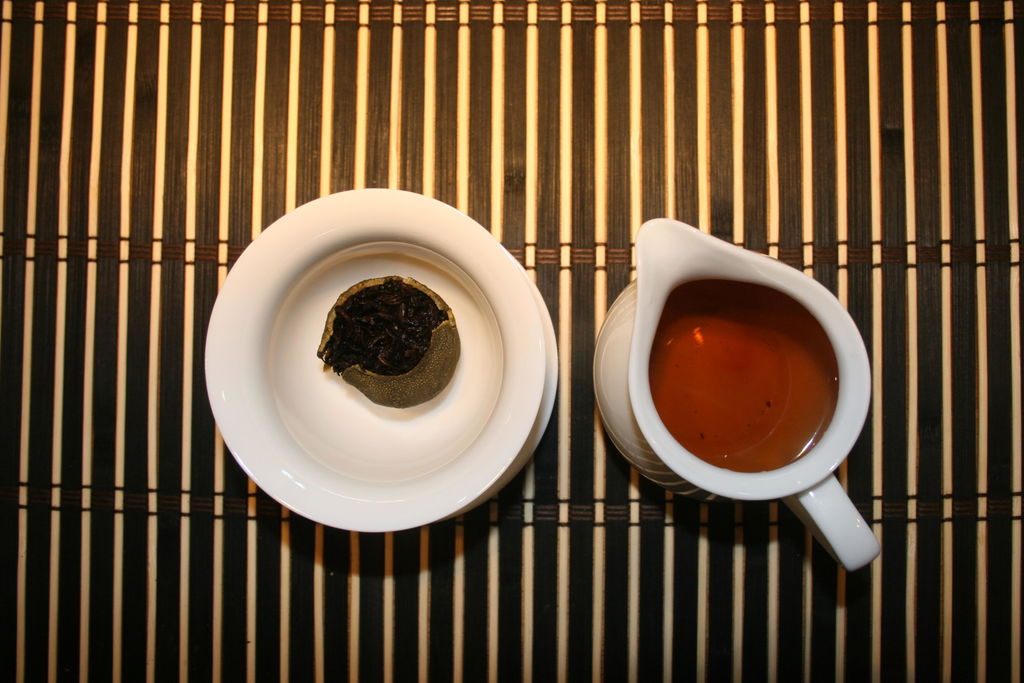
The color ranges from deep amber to red, and the perfect blend of citrus and tea is evident once again in the taste: the mandarin aroma is balanced by the tea's earthy, tobacco, and chocolate notes, which emerge in the middle stage, giving way to the typical sweetness of the dried fruit, which then returns to the citrus in the lingering aftertaste. Proceeding with successive infusions, the smoothness and sweetness of the Puerh grow in intensity and pleasure. It's a complete sensory experience that engages not only the taste and smell, but also the sight.
Realy good Xiao Qing Gan. Love the flavour of the pu Erh tea with the citrus flavour.
Nice twist on pu erh! The tangerine gives it a fresh touch. I expected it to be a bit more citrusy, but this is also my first time trying this type of pu erh.
Very good—it has a strong flavor and a good infusion time.
This is a great shu pu erh. The tangerine gives it a refreshing citrusy touch. It is also very easy to brew!
I really enjoyed this tea!!
Erg leuk. Kleine mandarijntjes. De hele dag thee met één mandarijntje. Blijft lekker ook! Zeer kort trekken is het lekkerst, anders wordt de ther wel erg aards. Maar niet bitter! Het was even puzzelen hoe het mandarijntje tussen twee koppen te bewaren. Uiteindelijk uitgekomen op thee zetten met afgemeten water in een theepot. Daarna gewoon mandarijntje in de theepot laten zitten. Zonder water... Goed voor zeker 4 grote koppen. Misschien wel meer.
Tip Quality Pu Ehr
Sehr Lecker 😋
Great composition combining rich taste of puer and the xiao pi tase - deep, fruity, for me - christmassy.
Lovely gentile fruti Pu-Ehr. round, with a little orange. lasts me through the day!
Hi Bas, we're glad you liked it! One of the things we like about xiao qing gan is that it doesn't release all its fragrance at once. As it's well aged and the orange aroma is fully absorbed, both the pu erh tea and the orange peel aroma has great endurance.
Delicious tea with a little orange taste
The fruit of the orange and the earthy flavour of the tea is well balanced and makes a nice sensation in the mouth. Even my father, who is not much into tea really enjoys it.
Really like these chenpi teas - high quality stuff
Excellent tea! Love it! The aroma of tangerine is amazing and the taste is really good! Totally recommended! You can brew it many times!

O nosso trabalho de design é inspirado na obra “Along the River During the Qingming Festival” de Zhang Zeduan, da Dinastia Song. Em vez de mostrar a vida quotidiana das pessoas na capital da China (como na obra original), exibimos o processo de produção do chá pelos agricultores através da mesma perspetiva aérea.
Ao examinar o nosso design de embalagem em detalhe, os entusiastas do chá irão observar o processo de produção do chá, com agricultores a colher, secar, enrolar e fritar as folhas de chá. O chá é depois degustado num pavilhão e transportado por cavalos ao longo da ‘estrada antiga do chá’.
Juntos, a paisagem tradicional chinesa e o tema da produção do chá simbolizam a herança, a tradição e o respeito pelo trabalho árduo dos agricultores de chá.