


2013/2019 Chaze 'Da Huang Yin' Rótulo Amarelo Bolo de Chá Pu Erh Maduro 357g
2013/2019 Chaze 'Da Huang Yin' Rótulo Amarelo Bolo de Chá Pu Erh Maduro 357g
Não foi possível carregar a disponibilidade de recolha
Este chá pu erh maduro, excepcionalmente suave, é feito a partir de folhas de chá colhidas em 2013 e prensadas em bolos em 2019. Apresenta uma paleta aromática deliciosa de arroz, frutos secos, creme, frutos vermelhos, hortelã e uma doçura refrescante. Há também algo realmente especial neste chá, que acreditamos se destacar: excelente 'Chen Xiang'. Pode ler mais sobre isto abaixo.
Este bolo de chá Yellow Label da fábrica Chaze é feito a partir de material premium (1 botão, 2-3 folhas) da região de chá de Menghai. As folhas de chá são colhidas de árvores selvagens na região com idade de 100 anos ou mais.
Chen Xiang: A Fragrância da Idade.
O termo 'Chen Xiang' é algo que aparece frequentemente no mundo do chá pu erh, e achamos que é usado em excesso. O termo traduz-se literalmente por 'a fragrância da idade'. Chen Xiang é difícil de descrever, mas deve ser experienciado.
O chá pu erh maduro, como o que vê nesta página, não se transforma muito com a idade como o chá pu erh cru. No entanto, Chen Xiang pode desenvolver-se quando um chá pu erh maduro é feito a partir de material de alta qualidade, processamento equilibrado e não agressivo, e armazenado de forma ótima. É exatamente isso que este bolo de chá pu erh representa, e por isso o adicionámos à nossa coleção.
Origem
Origem
- Marca: Fábrica de Chá Chaze
- Ano: 2013
- Estação: Primavera
- Origem: Menghai
- Grau da folha: folhas de chá selvagem
- Variedade (cultivar): folha grande Assamica (Da Ye Zhong)
- Tipo: chá pu erh
- Peso: 357g
- Tipo: maduro (shou)
- Série/receita: Rótulo Amarelo (Da Huang Yin)
- Forma: bolo de chá pu erh
Como Infusionar
Como Infusionar
How to make this Chaze Yellow label pu erh tea?
There are two methods to prepare this tea:
Gongfu brewing
Brew 5 gram with 100 ml of water at 100 °C. Steep for 15 seconds and gradually increase the steeping time for every next infusion.
Western brewing
Steep 3 gram with 350 ml of water at 100 °C. Apply a brewing time of 3 minutes and add 1 minute for each next infusion.
Envio, Devoluções e Métodos de Pagamento
Envio, Devoluções e Métodos de Pagamento
Prazo de entrega: a entrega na UE demora entre 1 e 10 dias. Para consultar as estimativas específicas de cada país, visite a página de informações de envio na parte inferior do nosso site.
Sem taxas de importação: enviamos a partir do nosso armazém na UE. Os clientes na UE não terão de pagar taxas de importação no momento da entrega. Todos os impostos aplicáveis estão incluídos nos nossos preços.
Envio gratuito: a partir de €65 para os Países Baixos, Bélgica, França, Alemanha, Luxemburgo e Irlanda. A partir de €85 para a maioria dos restantes países da UE e para o Reino Unido.
Devoluções: oferecemos um prazo de devolução de 30 dias.


Como este chá pu erh maduro é feito
-
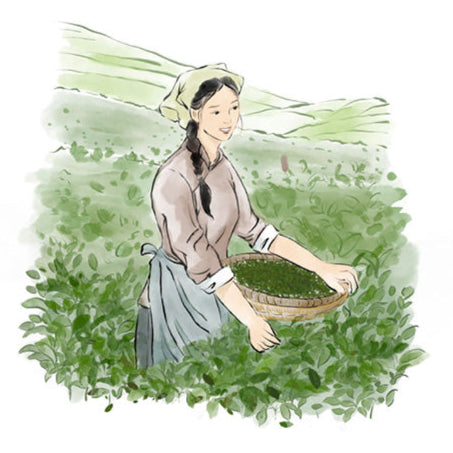
Recolha
As folhas de chá são colhidas à mão de manhã.
-
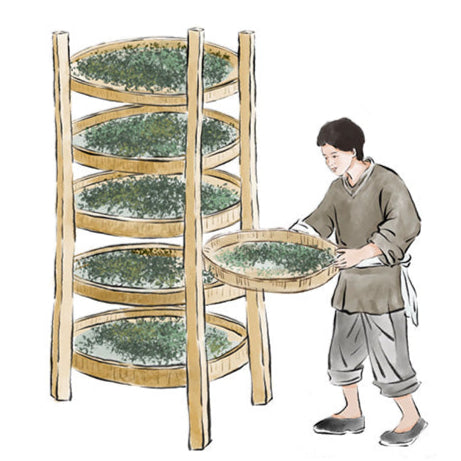
Murchar
As folhas são espalhadas em tabuleiros de bambu para murchar.
-
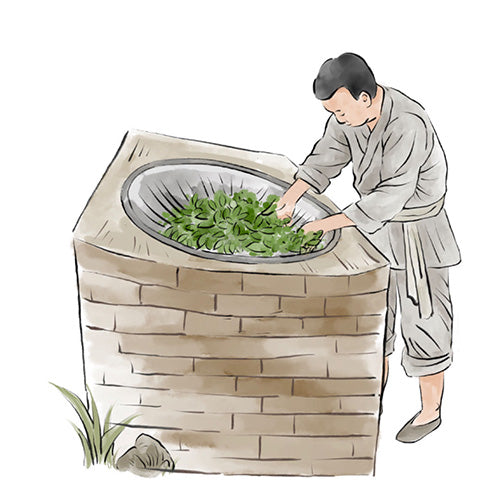
Fixação
As folhas murchas são aquecidas para parar a oxidação.
-
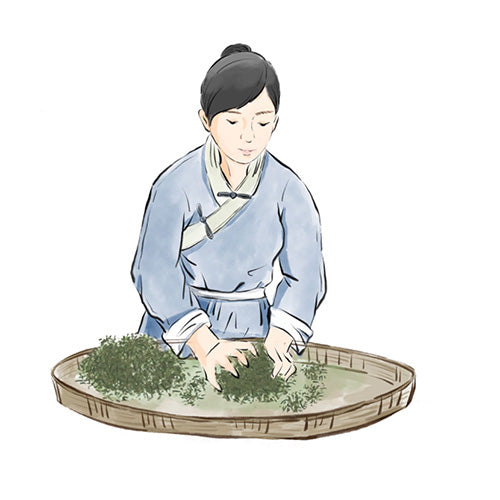
A carregar
As folhas de chá são enroladas para libertar o seu aroma.
-
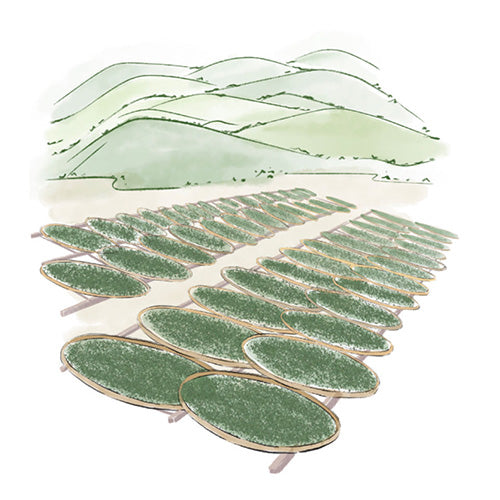
Secagem ao sol
As folhas enroladas são espalhadas em tapetes de bambu para secar ao sol.
-

Fermentação
As folhas são pós-fermentadas num ambiente controlado.
-
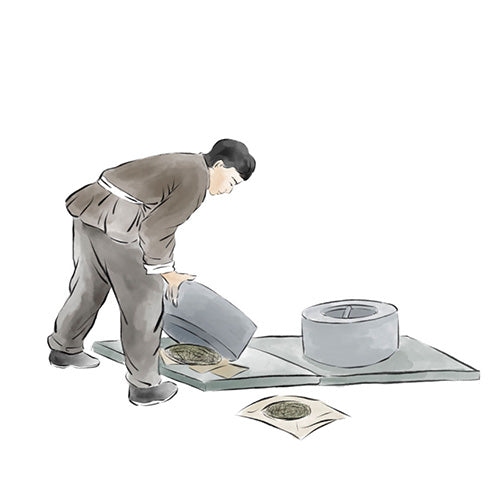
Pressionar
O chá pós-fermentado é cozido a vapor e comprimido.
-
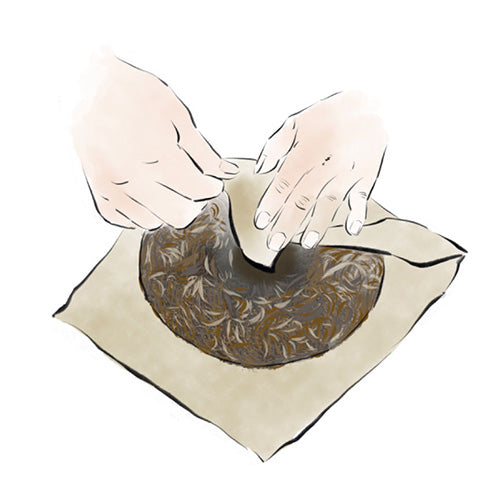
Embalagem
O chá comprimido é embalado em papel e colocado em caixas.

