


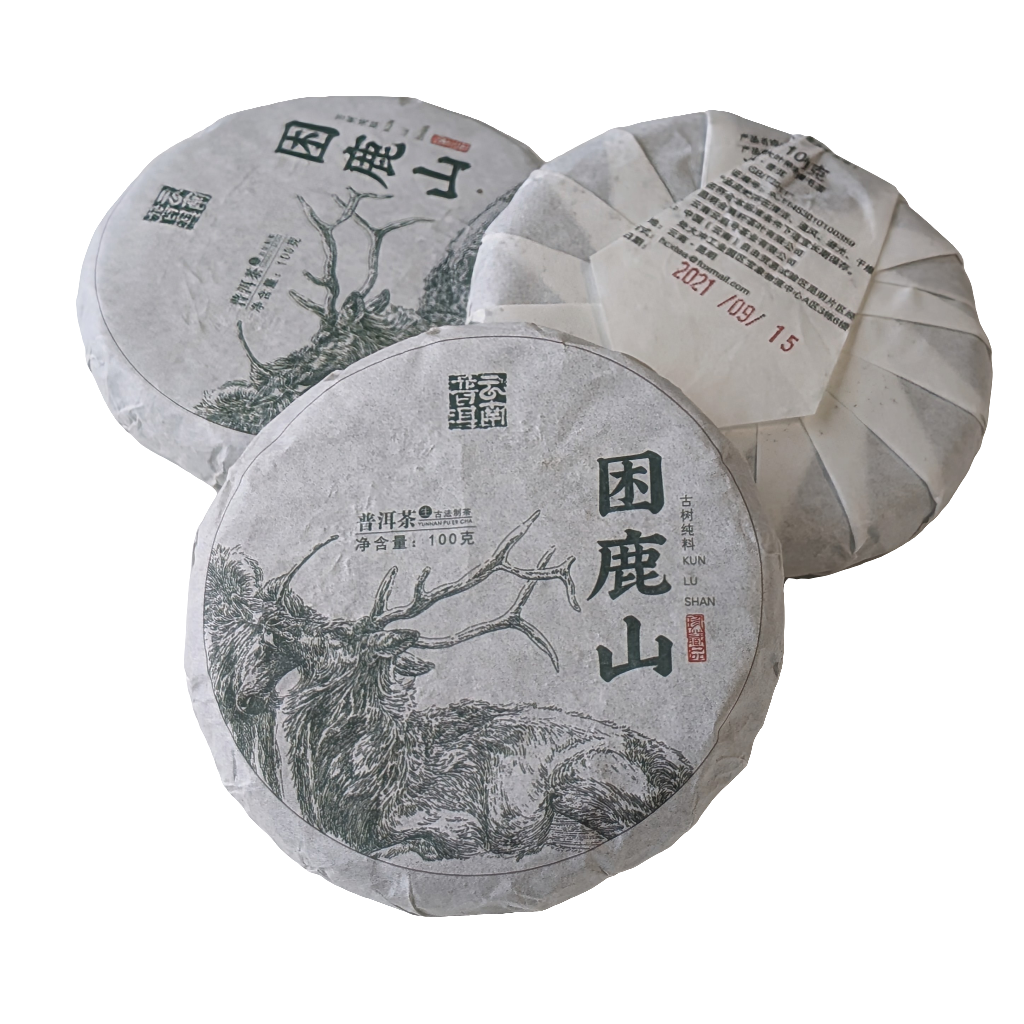
2021 Petite Galette de Thé Pu Erh Cru de Kunlu Shan 100g
2021 Petite Galette de Thé Pu Erh Cru de Kunlu Shan 100g
Un pu erh cru provenant de la région préservée de la montagne Kunlu (à une altitude de 1700 mètres) dans le Yunnan. Il offre un goût vif et équilibré avec des notes fruitées, comme les fruits à noyau et l'écorce d'orange, une douceur amère moyenne et un délicieux arrière-goût floral et mielleux. La couleur de la liqueur est jaune miel et brillante.
Cette galette moyennement pressée est composée de bourgeons et de feuilles de la variété de théier Da Ye Zhong. Dans la région de Kunlu Shan, les théiers prospèrent grâce au sol montagneux et au climat particulier, ce qui donne une matière de grande qualité que les maîtres de thé locaux transforment en ces savoureuses galettes.
Il est délicieux à déguster dès à présent, notamment lors d'une pause dans l'après-midi, ou à laisser vieillir pour apprécier ses arômes en constante évolution.
Origin
Origin
- Année : 2021
- Origine : Kunlu Shan, Yunnan
- Variété (cultivar) : grande feuille Assamica (Da Ye Zhong)
- Date de production : 15 septembre 2021
- Type : cru (sheng)
- Forme : galette de thé pu erh
- Poids : 100 g
How to Steep
How to Steep
How to infuse 2021 Kunlu Shan Raw pu erh tea cake?
Gongfu brewing
Brew 5 gram with 100 ml of water at 90-95°C. After a quick rinse, steep for 15 seconds for the first infusion, then gradually increase the steeping time.
Western brewing
Steep 3 gram with 250 ml of water at 90-95°C. Apply a brewing time of 1 to 3 minutes, according to your taste.



Our design work is inspired by the artwork “Along the River During the Qingming Festival” by the Zhang Zeduan in the Song Dynasty. Instead of displaying the daily lives of people in the capital of China (as the original artwork), we display the tea making process of farmers through the same bird’s eye perspective.
When examining our packaging design in detail, tea enthusiasts will observe the tea making process, featuring tea farmers picking, drying, rolling, and frying tea leaves. The tea is then tasted in a pavilion and transported by horses along the ‘ancient tea road’.
Together, the traditional Chinese landscape and tea making theme, symbolise heritage, tradition, and respect for hard work of tea farmers.