


2014 Dr Puer Nannuo Gu Hua Xiang Zelené Pu Erh Čaj
2014 Dr Puer Nannuo Gu Hua Xiang Zelené Pu Erh Čaj
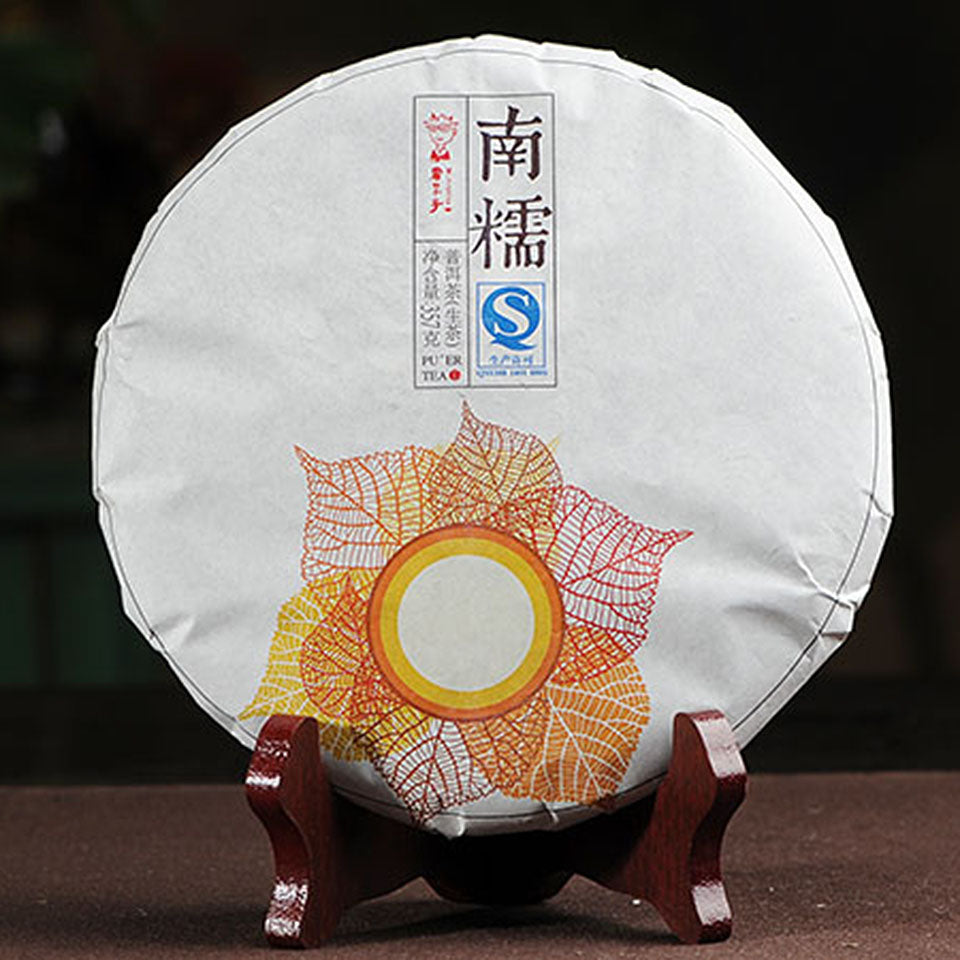
Jesenný raw čajový koláč pu erh z divokého altánku (qiao mu) v hore Nannuo. Príchuť: zrelé ovocie;med;pomarančová kôra;cukrová trstina.
Pôvod
Pôvod
- Rok: 2014
- Ročné obdobie: jeseň
- Pôvod: hora Nannuo
- Stupeň listu: divoký strom (qiao mu)
- Odrôdový typ (kultivar): veľký list Assamica (Da Ye Zhong)
- Dátum výroby: 41908
- Šarža: 1
- Stlačenie: stredné
- Typ: surový (sheng)
- Značka: Dr Puer
- Séria/recept: Nannuo Gu Hua Xiang (Dolina kvetov)
- Tvar: koláč z čaju pu erh
- Hmotnosť: 357g
Ako lúhovať
Ako lúhovať
How to make Dr Puer Nannuo Gu Hua Xiang (Valley Flower) tea?
There are two methods to prepare this pu erh tea cake:
Gongfu brewing
Brew 8 gram with 120 ml of water at 100 °C. Steep for 15 seconds and add 5 seconds for each infusion.
Western brewing
Steep 4 gram with 350 ml of water at 100 °C. Apply a brewing time of 2-3 minutes and add 1 minutes for each subsequent infusion.



Naša dizajnérska práca je inšpirovaná umeleckým dielom „Pozdĺž rieky počas Qingming festivalu“ od Zhang Zeduan z dynastie Song. Namiesto zobrazovania každodenného života ľudí v čínskej metropole (ako v pôvodnom diele) zobrazujeme proces výroby čaju farmármi z rovnakého vtáčieho pohľadu.
Pri podrobnom skúmaní nášho dizajnu obalu si milovníci čaju všimnú proces výroby čaju, ktorý zahŕňa zber, sušenie, valcovanie a vyprážanie čajových listov čajovými farmármi. Čaj sa potom ochutnáva v altánku a prepravuje koňmi po „starej čajovej ceste“.
Spolu tradičná čínska krajina a téma výroby čaju symbolizujú dedičstvo, tradíciu a úctu k tvrdej práci čajových farmárov.