


2013/2019 Chaze 'Da Huang Yin' Yellow Label Copt Ceai Pu Erh Tort 357g
2013/2019 Chaze 'Da Huang Yin' Yellow Label Copt Ceai Pu Erh Tort 357g
Nu am putut încărca disponibilitatea pentru ridicare
Acest ceai pu erh copt, excepțional de fin, este realizat din frunze de ceai recoltate în 2013 și presate în torturi în 2019. Prezintă o paletă încântătoare de arome de orez, nuci, cremă, fructe roșii, mentă și o dulceață răcoritoare. Există, de asemenea, ceva cu adevărat special la acest ceai, care credem că iese cu adevărat în evidență: excelentul „Chen Xiang”. Puteți citi mai multe despre acest aspect mai jos.
Acest tort de ceai cu Etichetă Galbenă de la fabrica Chaze este realizat din material premium (1 mugur, 2-3 frunze) din regiunea de ceai Menghai. Frunzele de ceai sunt culese din copaci sălbatici din regiune cu o vechime de 100 de ani sau mai mult.
Chen Xiang: Frumusețea Vârstei.
Termenul „Chen Xiang” este ceva ce apare frecvent în lumea ceaiului pu erh și credem că este folosit prea excesiv. Termenul se traduce literal prin „frumusețea vârstei”. Chen Xiang este greu de descris, dar trebuie experimentat.
Ceaiul pu erh copt, precum cel pe care îl vedeți pe această pagină, nu se transformă atât de mult odată cu înaintarea în vârstă, spre deosebire de ceaiul pu erh crud. Totuși, Chen Xiang poate să se dezvolte atunci când un ceai pu erh copt este realizat din material de înaltă calitate, cu un proces echilibrat și nu prea agresiv, și este depozitat optim. Exact asta reprezintă acest tort de ceai pu erh și de aceea l-am adăugat în colecția noastră.
Origine
Origine
- Marcă: Fabrica de Ceai Chaze
- An: 2013
- Sezon: Primăvară
- Proveniență: Menghai
- Calitatea frunzei: frunze de ceai sălbatic
- Varietate (cultivar): frunză mare Assamica (Da Ye Zhong)
- Tip: ceai pu erh
- Greutate: 357g
- Tip: copt (shou)
- Seria/rețeta: Etichetă Galbenă (Da Huang Yin)
- Formă: tort de ceai pu erh
Cum să se steep
Cum să se steep
How to make this Chaze Yellow label pu erh tea?
There are two methods to prepare this tea:
Gongfu brewing
Brew 5 gram with 100 ml of water at 100 °C. Steep for 15 seconds and gradually increase the steeping time for every next infusion.
Western brewing
Steep 3 gram with 350 ml of water at 100 °C. Apply a brewing time of 3 minutes and add 1 minute for each next infusion.
Livrare, Retururi și Metode de Plată
Livrare, Retururi și Metode de Plată
Timp de livrare: Livrarea în UE durează între 1 și 10 zile. Pentru estimări specifice fiecărei țări, vă rugăm să consultați pagina Informații despre livrare de la finalul site-ului nostru.
Fără taxe de import: Expediem din depozitul nostru din UE. Clienții din UE nu vor fi taxați cu taxe de import la livrare. Toate taxele aplicabile sunt incluse în prețurile noastre.
Transport gratuit: De la 65 € către Olanda, Belgia, Franța, Germania, Luxemburg și Irlanda. De la 85 € către majoritatea celorlalte țări din UE și Regatul Unit.
Returnări: Oferim o perioadă de retur de 30 de zile.


Cum se face acest ceai pu erh matur
-
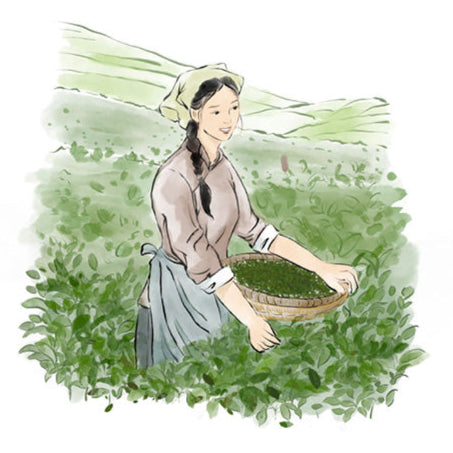
Culegerea
Frunzele de ceai sunt culese manual dimineața.
-
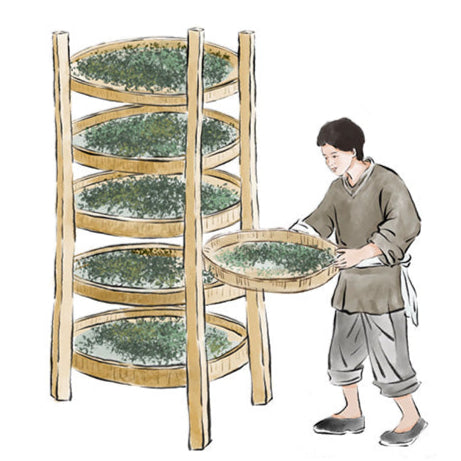
Ofilind
Frunzele sunt întinse pe tăvi de bambus pentru a se ofili.
-
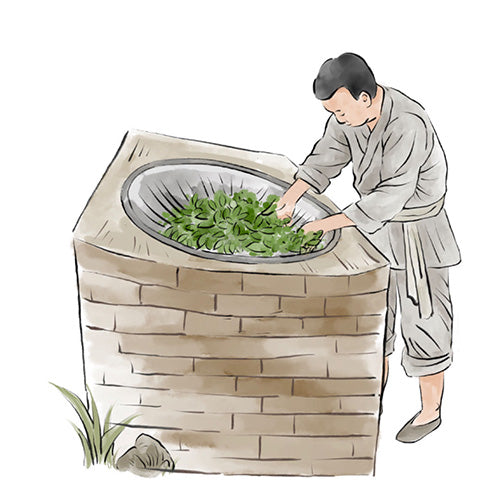
Fixare (prăjire)
Frunzele uscate sunt încălzite pentru a opri oxidarea.
-
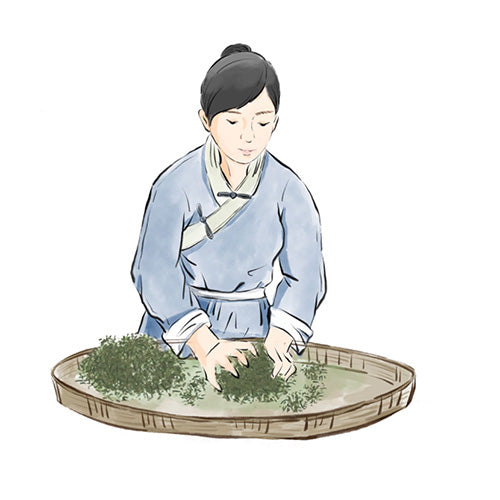
Rulare
Frunzele de ceai sunt rulate pentru a elibera aroma lor.
-
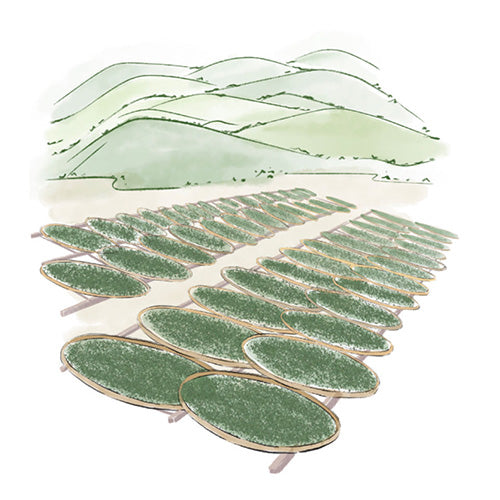
Uscarea la soare
Frunzele rulate sunt întinse pe covorașe de bambus pentru a se usca la soare.
-

Fermentaţie
Frunzele sunt post-fermentate într-un mediu controlat.
-
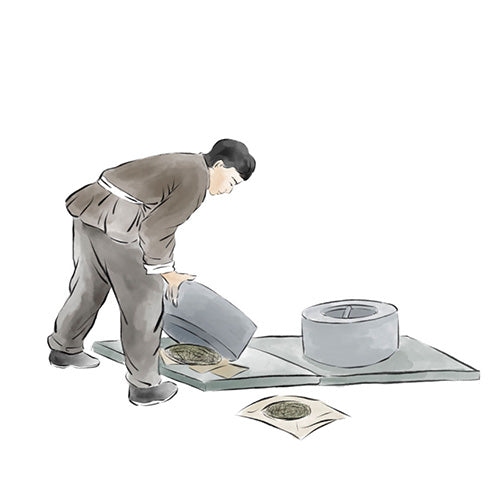
Presare
Ceaiul post-fermentat este aburit și comprimat.
-
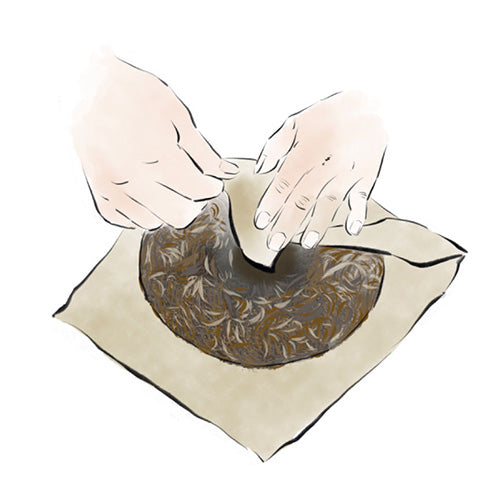
Ambalare
Ceaiul comprimat este învelit în hârtie și ambalat în cutii.

