


2024 Oripuerlab Taidou 'Eminent Teacher’ Raw Pu Erh Tea Brick 50g
2024 Oripuerlab Taidou 'Eminent Teacher’ Raw Pu Erh Tea Brick 50g
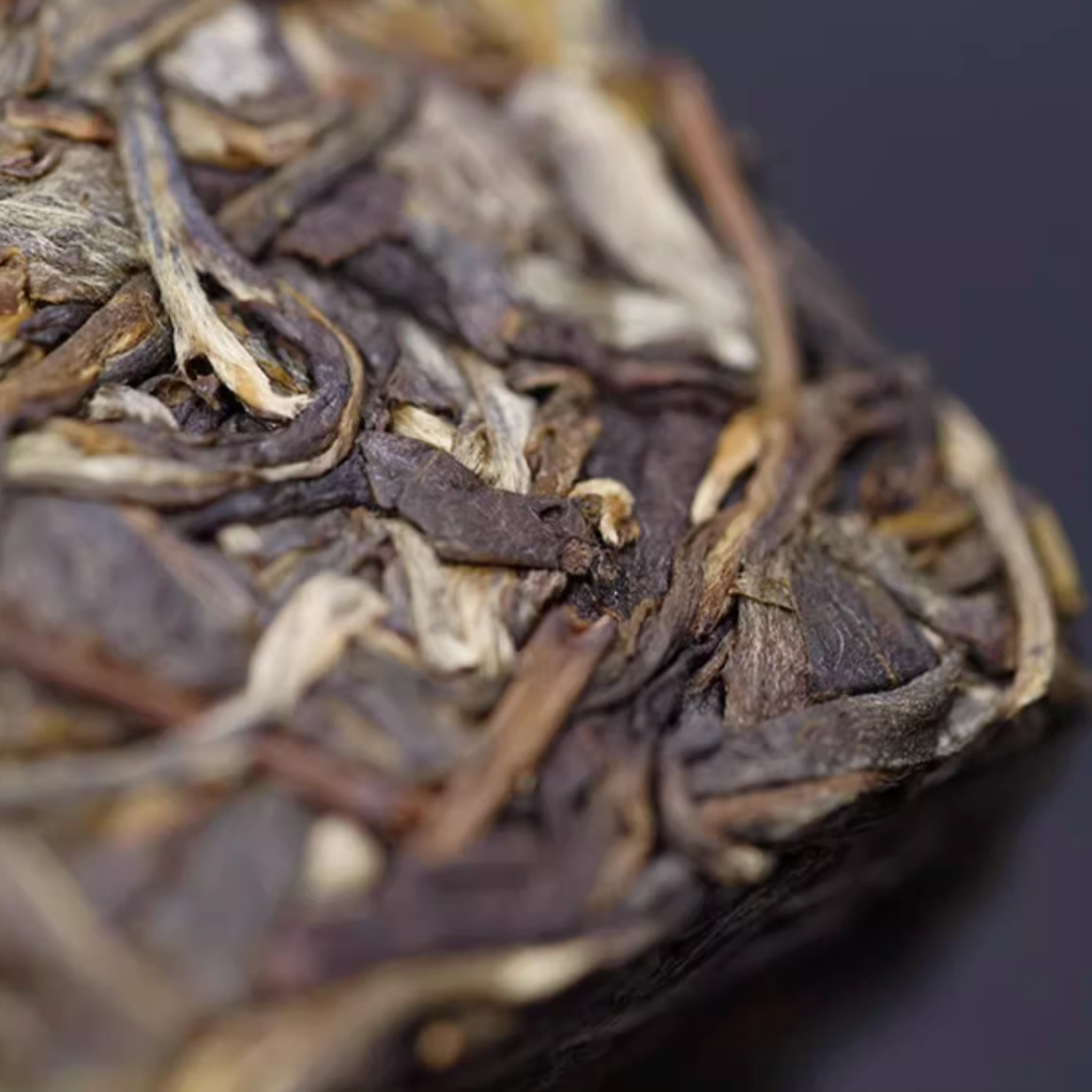
This raw pu erh tea brick is made from a curated blend of tea leaves from Bangdong in the Lincang tea region. It commemorates the 40-year career of Teacher Yahe Xu, a respected expert in the tea industry and a published author.
This premium tea offers a rich flavor profile with floral orchid notes and a honey-like aroma. Its aftertaste is lingering, and the liquor is bright and clear. It's a tea to treasure.
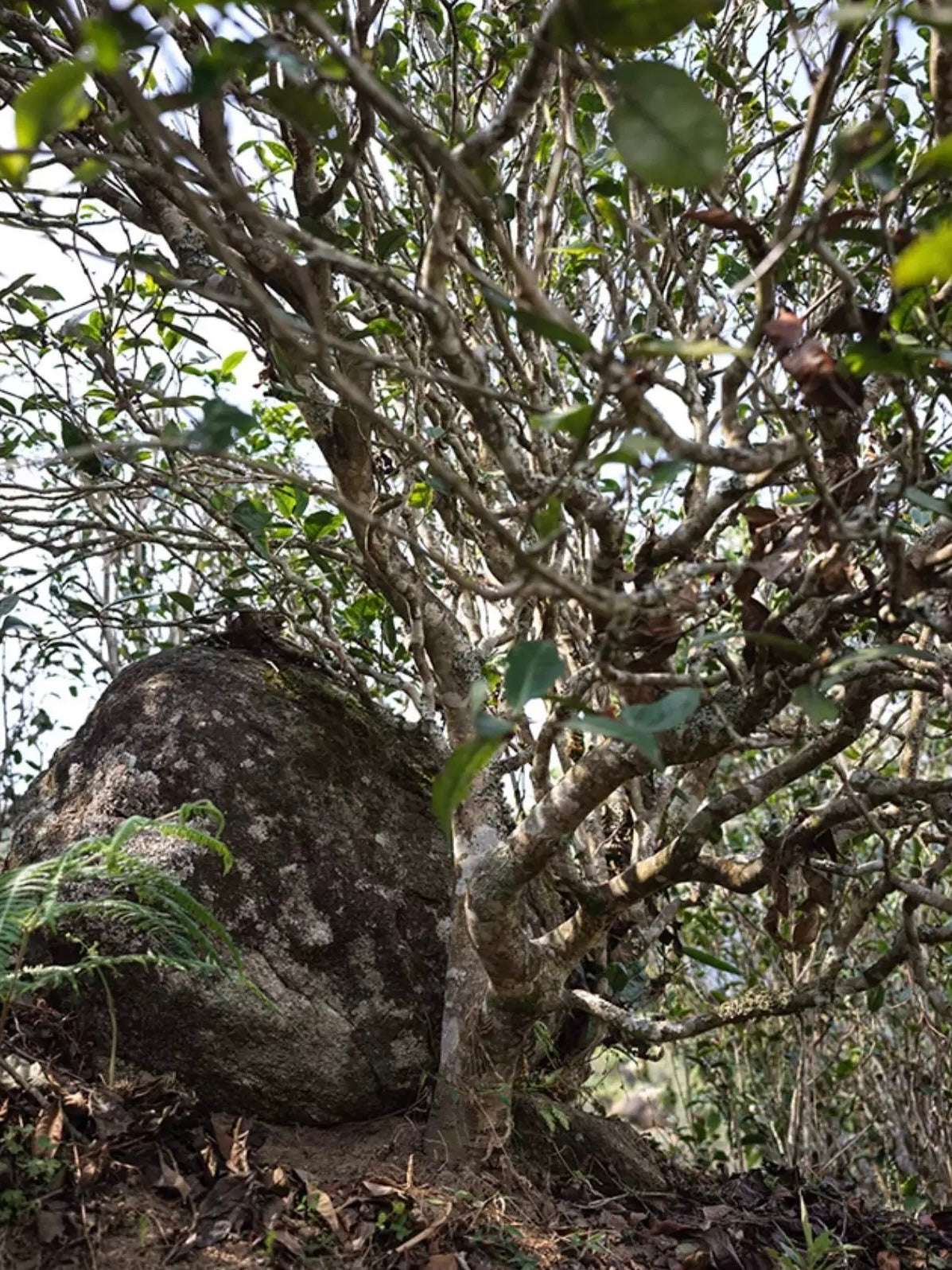
The leaves used in this blend were harvested from the villages of Shijie, Xigui, and Zhenshi in Bangdong. This area in Lincang tea region is recognized for its sandy, rocky soil, high elevations, and frequent fog. These environmental conditions shape the character of the tea, setting it apart from standard ancient tree teas.
Taidou
In Chinese, Taidou refers to Mount Tai and the North Star, which is a metaphor for a highly esteemed scholar in a certain field.
Origin
Origin
- Year: 2024
- Season: Spring
- Origin: Lincang
- Varietal (cultivar): large leaf Assamica (Da Ye Zhong) Type: raw (sheng)
- Brand: Oripuerlab
- Shape: tea brick
- Weight: 50g
How to Steep
How to Steep
How to make this Oripuerlab 'Eminent Teacher' raw pu er?
There are two methods to prepare this pu erh tea cake:
Gongfu method
Brew 5 gram with 100 ml of water at 100 °C. Apply a steeping time of 5 seconds for the first few steeps. Gradually increase the steeping time according to your taste.
Western method
Steep 3 gram with 500 ml of water at 100 °C. Apply a brewing time of 30 seconds and add 1 minutes for each subsequent infusion.




Our design work is inspired by the artwork “Along the River During the Qingming Festival” by the Zhang Zeduan in the Song Dynasty. Instead of displaying the daily lives of people in the capital of China (as the original artwork), we display the tea making process of farmers through the same bird’s eye perspective.
When examining our packaging design in detail, tea enthusiasts will observe the tea making process, featuring tea farmers picking, drying, rolling, and frying tea leaves. The tea is then tasted in a pavilion and transported by horses along the ‘ancient tea road’.
Together, the traditional Chinese landscape and tea making theme, symbolise heritage, tradition, and respect for hard work of tea farmers.