


2025 Purple Zi Ya, Sun-Dried Black Tea Balls
2025 Purple Zi Ya, Sun-Dried Black Tea Balls
Couldn't load pickup availability
A rare, complex sun-dried black tea (Shai Hong) crafted from the wild purple bud (Zi Ya) cultivar, harvested from Da Xue Shan.
Prepare your palate for an adventurous departure from traditional Dian Hong. On the tongue, this tea delivers the classic hallmarks of a great black tea: light, silky smoothness and a soaring, fragrant sweetness. Yet, it introduces a layer of complexity as the purple tea's unique character flows beneath the sweet surface.
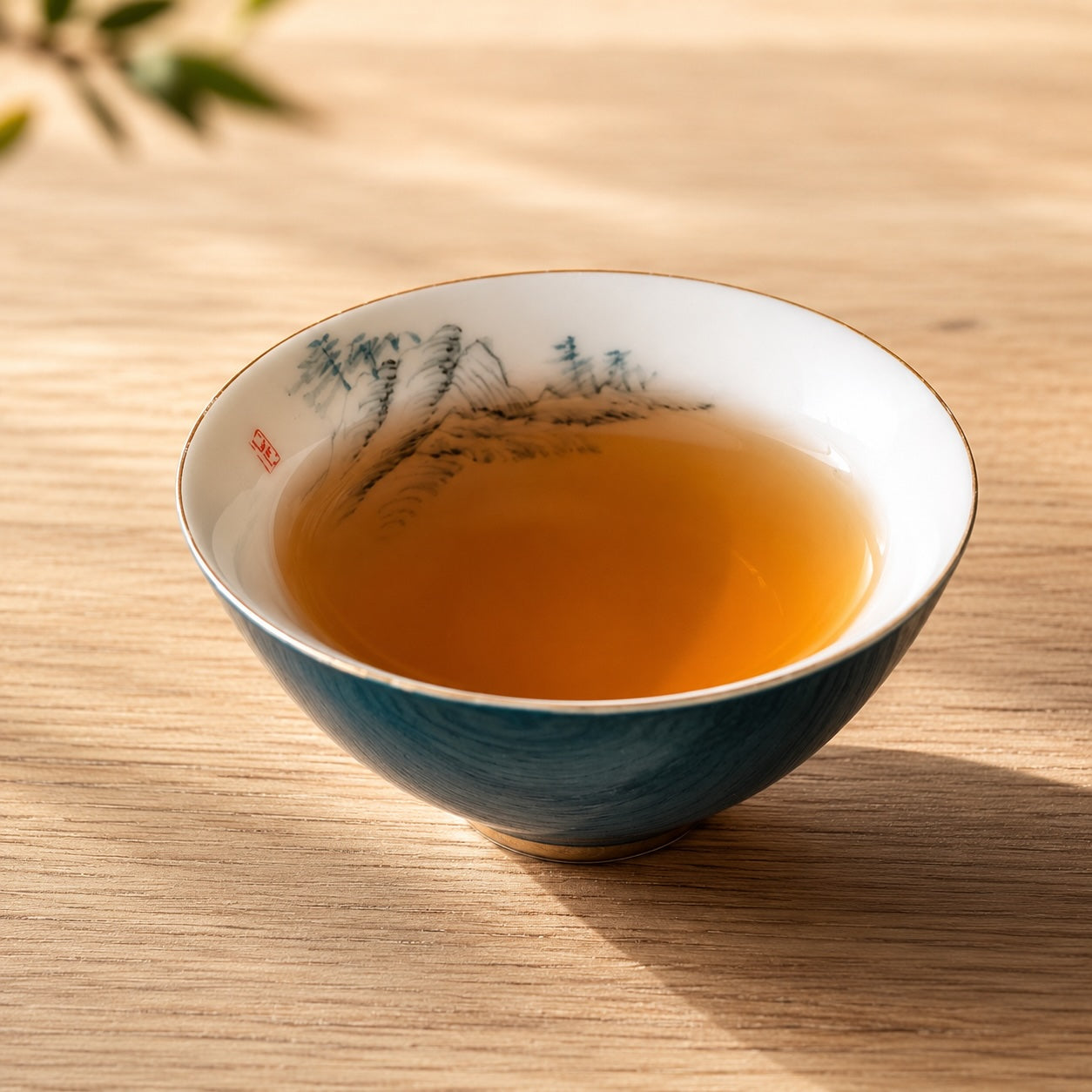
The tea pours a deep, ruby-red liquor that remains incredibly transparent and clear. This vibrant, clean hue beautifully outshines the darker, more muted tones typically seen when the Zi Ya cultivar is processed as a raw pu erh.
This tea is also remarkably forgiving to brew. It shows absolutely zero bitterness, even when pushed with a full 100°C boil, making it nearly impossible to over-steep. The balls are crafted primarily from robust single leaves and 1-bud-1-leaf pluckings. Because of this exceptional leaf quality, a single ball possesses incredible endurance, effortlessly yielding 1 to 1.5 liters of evolving flavor.
Purple Bud (Zi Ya) Cultivar
While classic Yunnan shaihong black tea is typically made from the classic Da Ye Zhong cultivar, our purple tea balls stand out because they are made from Zi Ya purple tea leaves. The Zi Ya tea plants naturally produce young leaves in a deep purple color due to a wild trait or mutation in ancient tea populations. This unique color is caused by anthocyanin pigments (antioxidants).
Traditional Sun-Drying (Shai Hong)
Technically, this is a sun-dried Dian Hong black tea, known as Shaihong. While it follows the core steps of traditional black tea processing, it skips the final high-heat machine drying. Instead, the leaves are finished under the gentle warmth of the natural sun. This heat-free process preserves the active compounds and enzymes within the leaves. As a result, unlike standard black teas that are best enjoyed fresh, this tea will age beautifully, evolving its aroma over time.
High-Altitude Terroir: Yongde Da Xue Shan
The leaves for this tea are picked from Yongde Da Xue Shan in Lincang, Yunnan, a place known for its large-leaf tea trees. The area’s clean environment, dramatic day-to-night temperature fluctuations, and thick mountain mists make the tea roots grow deep in search of nutrients. This slow growth gives the teas leaves strong flavors and a unique character.
Origin
Origin
- Year: 2025
- Season: Spring
- Origin: Lincang, Yunnan
- Type: sun-dried black tea
- Cultivar: Purple buds (zi ya)
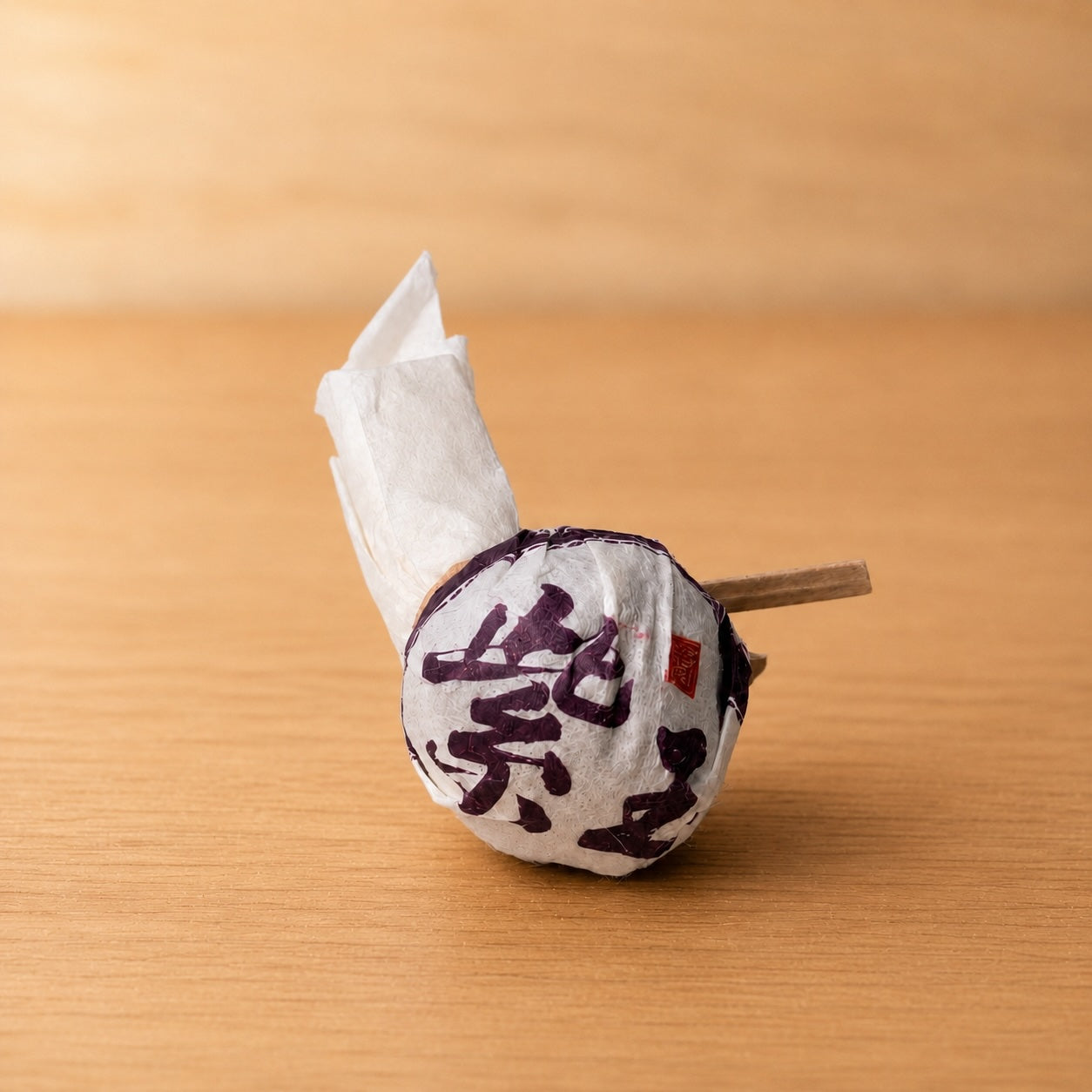
- Shape: Tea balls
How to Steep
How to Steep
Steeping temperature: 100ºC
Western Method: Steep 1 purple tea ball with 500ml of water for 2-3 minutes. After the first steep, re-steep for 3 to 4 minutes.
Traditional method: Steep 1 purple tea ball with 100ml of water and steep for 20 seconds. Add 5 seconds for each following steep.
Shipping, Returns & Payment Methods
Shipping, Returns & Payment Methods
Delivery time: EU delivery takes 1–10 days. For country-specific estimates, please see the Shipping Info page at the bottom of our website.
No import taxes: We ship from our EU warehouse. Customers in the EU will not be charged import taxes upon delivery. All applicable taxes are included in our prices.
Free shipping: From €65 to the Netherlands, Belgium, France, Germany, Luxembourg, and Ireland. From €85 to most other EU countries and the UK.
Returns: We offer a 30-day return period.



Our design work is inspired by the artwork “Along the River During the Qingming Festival” by the Zhang Zeduan in the Song Dynasty. Instead of displaying the daily lives of people in the capital of China (as the original artwork), we display the tea making process of farmers through the same bird’s eye perspective.
When examining our packaging design in detail, tea enthusiasts will observe the tea making process, featuring tea farmers picking, drying, rolling, and frying tea leaves. The tea is then tasted in a pavilion and transported by horses along the ‘ancient tea road’.
Together, the traditional Chinese landscape and tea making theme, symbolise heritage, tradition, and respect for hard work of tea farmers.