


2018 Raw Xiao Hu Shai Pu Erh Tea Balls
2018 Raw Xiao Hu Shai Pu Erh Tea Balls
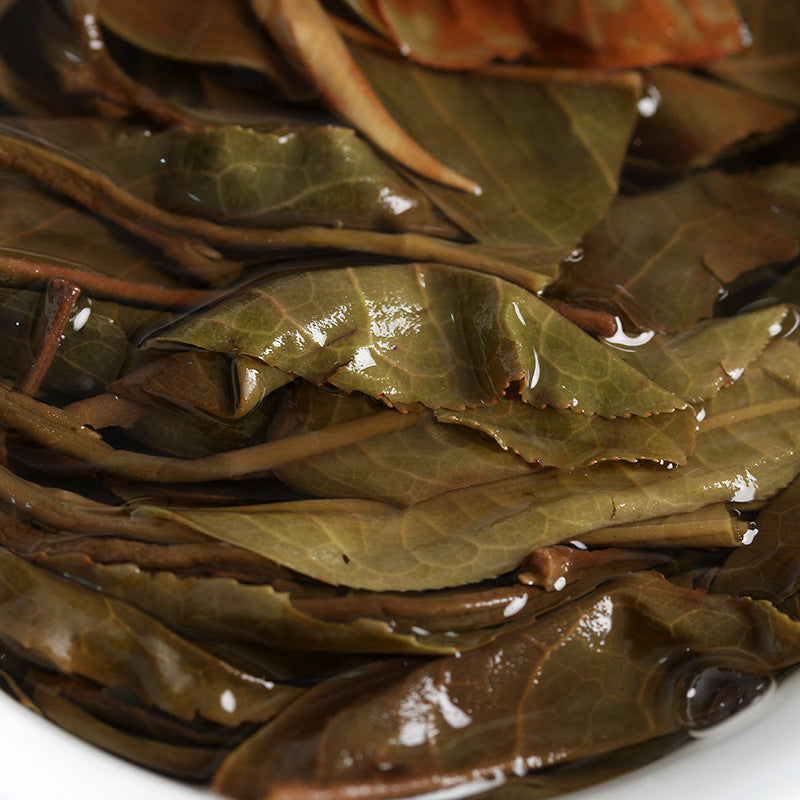
A raw pu erh tea from the famed Xiao Hu Sai village with a dynamic and complex aroma. It starts with a powerful, but short-lived bitterness, quickly followed by an explosion of floral fragrance. The finish is sweet with hints of manuka honey. The contrast between the bitterness and the sweet finish is like heaven and earth, making this tea truly special.
Xiao Hu Sai
While Bingdao is the most popular village in Mengku, the area surrounding the Xiao Hu Sai village has the most ancient tea forests. With an average annual temperature of 20ºC and 1750mm precipitation, the Xiao Hu Sai community enjoys ideal conditions for tea cultivation.
The village only has around 420 inhabitants, of which nearly the whole working population is engaged in the tea industry.
Origin
Origin
- Type: Raw pu erh tea
- Origin: Xiao Hu Shai, Yunnan
- Year: 2018
- Season: Spring
- Shape: Tea balls
How to Steep
How to Steep
Steeping temperature: 100ºC
Western Method: Steep 1 Xiao Hu Shai tea ball with 500ml of water for 2 minutes. After the first steep apply the following steeping times for the next steeps: 1.5, 2, 4 minutes
Traditional method: Steep 1 Xiao Hu Shai tea ball with 100ml of water and steep for 40 seconds. After the first steep apply the following steeping times for the next steeps: 25, 15, 20, 25, 30, 30 seconds.



Our design work is inspired by the artwork “Along the River During the Qingming Festival” by the Zhang Zeduan in the Song Dynasty. Instead of displaying the daily lives of people in the capital of China (as the original artwork), we display the tea making process of farmers through the same bird’s eye perspective.
When examining our packaging design in detail, tea enthusiasts will observe the tea making process, featuring tea farmers picking, drying, rolling, and frying tea leaves. The tea is then tasted in a pavilion and transported by horses along the ‘ancient tea road’.
Together, the traditional Chinese landscape and tea making theme, symbolise heritage, tradition, and respect for hard work of tea farmers.