


Jin Mu Dan, Golden Peony Wild Tree Black Tea
Jin Mu Dan, Golden Peony Wild Tree Black Tea
Couldn't load pickup availability
An exceptional black tea made from large and thick wild tea leaves of the Golden Peony cultivar.
Our Tasting Notes
Unlike most classic Wuyishan black teas, which are sweet and straight forward, this Golden Peony black tea is more adventurous and complex in flavour. When prepared the traditional way, the first 2 steeps are pleasantly savoury and berry sweet, but the best is yet to come: Starting from the third steep, this tea is magical, as the tea reveals its fruity floral aroma with a base of minerals and pine wood. The taste isn't aggressive neither bitter, the texture is characterised by a pleasant thickness, and the hui gan (aftertaste) is excellent. When it comes to endurance, this tea lasts many more steeps compared to small leaf black teas.
Golden Peony Cultivar
Generally black teas from the Wuyishan region, such as Jin Jun Mei and Lapsang Souchong, are made from the small leaf cultivar. In contrast, this black tea is made from large wild tea leaves of the 'Golden Peony' cultivar (金牡丹 - Jin Mu Dan), which is normally used for producing oolong tea. Our Jin Mu Dan is hand picked and consists of leaves ranging from 3 to 8cm in size.
Origin
Origin
- Brand: Teasenz
- Year: 2026
- Season: Spring
- Origin: Wuyishan
- Type: black tea tea
- Cultivar: Golden Peony
Shipping, Returns & Payment Methods
Shipping, Returns & Payment Methods
Delivery time: EU delivery takes 1–10 days. For country-specific estimates, please see the Shipping Info page at the bottom of our website.
No import taxes: We ship from our EU warehouse. Customers in the EU will not be charged import taxes upon delivery. All applicable taxes are included in our prices.
Free shipping: From €65 to the Netherlands, Belgium, France, Germany, Luxembourg, and Ireland. From €85 to most other EU countries and the UK.
Returns: We offer a 30-day return period.


How to prepare Golden Peony
-

Normal/Western method
Shop Teapots / MugsTemperature: 100 ºC
Time: 3 minutes
Tea/water: 4 grams / 500 ml water
Tea utensils: Large teapot / mug
-

Traditional/gongfu method
Shop GaiwansTemperature: 100 ºC
Time: 10 seconds
Tea/water: 5 grams / 100ml water
Tea utensils: Gaiwan / Yixing teapot
-

Cold brewing
Shop Cold Brewing BottlesTemperature: Store in fridge
Time: 8 hours
Tea/water: 8 grams / 1 litre
Tea utensils: Bottle / Pitcher


How this black tea is made
-
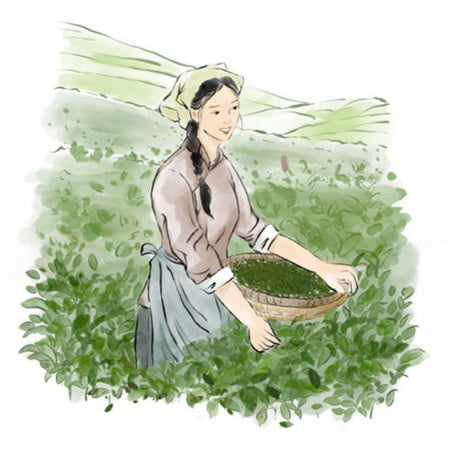
Picking
Tea leaves are hand-picked in the morning.
-
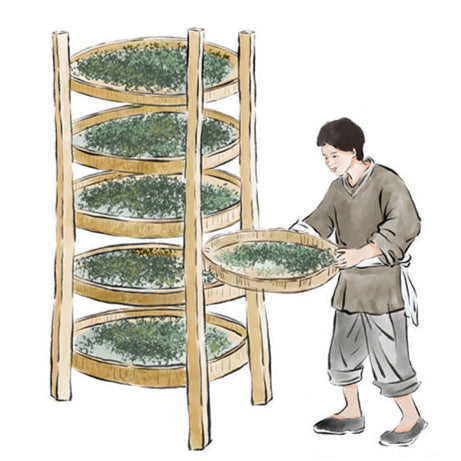
Withering
The leaves are spread on bamboo trays to wither.
-
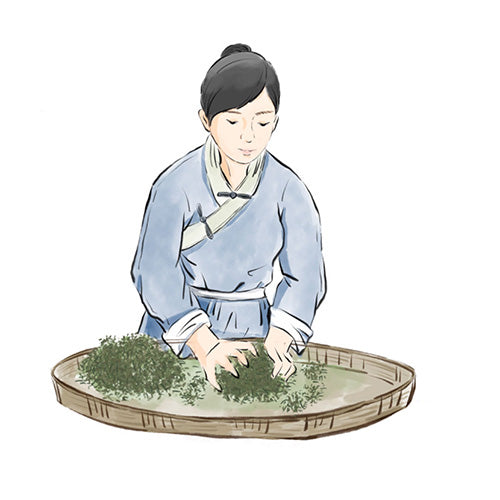
Rolling
Leaves are rolled, breaking down the surface cells and promoting oxidation.
-
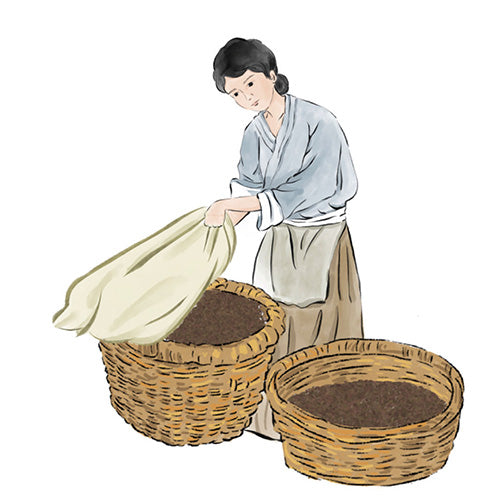
Oxidation
Rolled leaves are oxidized in bamboo baskets covered with a cloth.
-
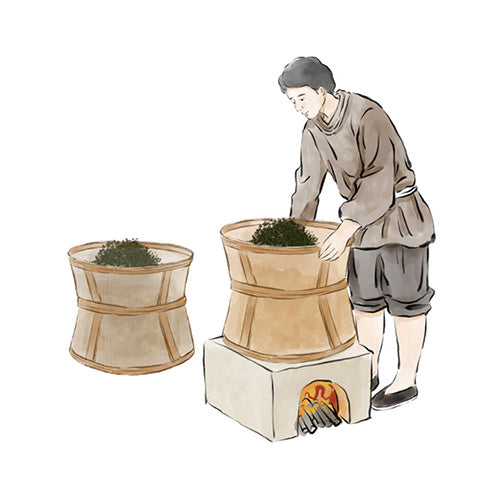
Drying
The oxidized leaves are dried to reduce moisture to a minimum.
-
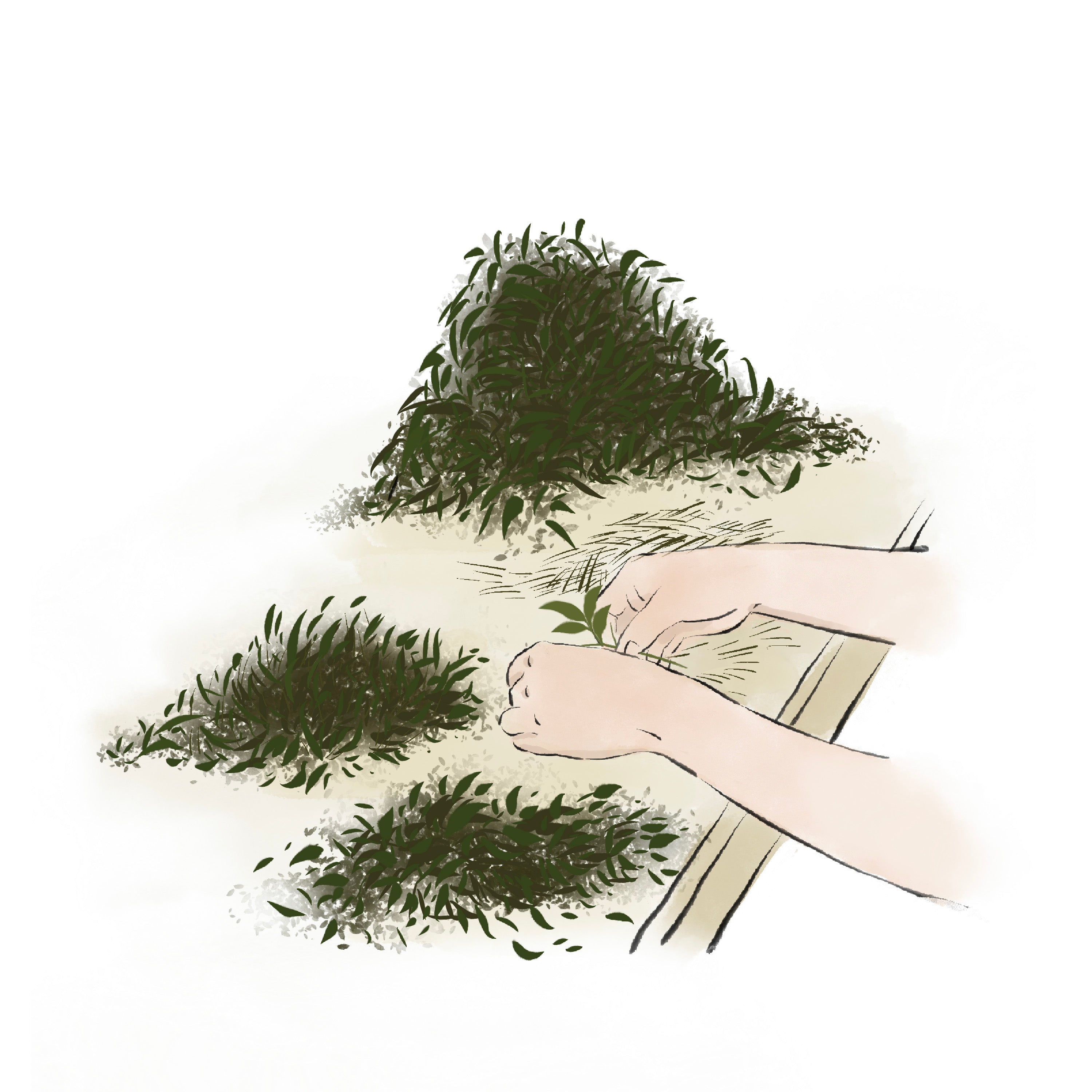
Sorting
The tea leaves are sorted manually or mechanically.

Our design work is inspired by the artwork “Along the River During the Qingming Festival” by the Zhang Zeduan in the Song Dynasty. Instead of displaying the daily lives of people in the capital of China (as the original artwork), we display the tea making process of farmers through the same bird’s eye perspective.
When examining our packaging design in detail, tea enthusiasts will observe the tea making process, featuring tea farmers picking, drying, rolling, and frying tea leaves. The tea is then tasted in a pavilion and transported by horses along the ‘ancient tea road’.
Together, the traditional Chinese landscape and tea making theme, symbolise heritage, tradition, and respect for hard work of tea farmers.