


Enshi Yulu (Jade Dew) Green Tea
Enshi Yulu (Jade Dew) Green Tea
Couldn't load pickup availability
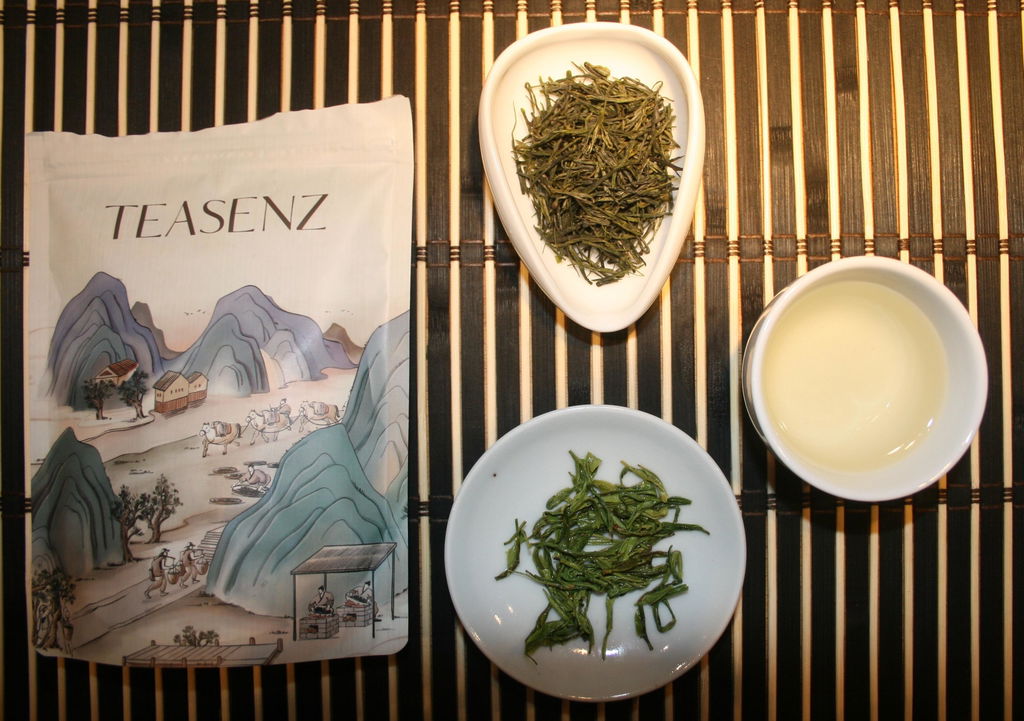
The dry leaves of our Enshi Yulu are emerald green, long and slightly twisted. They steep a limeade green liquor with a smooth and thick texture. The intense aroma is sweet and savoury with hints of seaweed, nuts and beans.
From a leaf quality perspective this is definitely a premium tea. Yet, given the affordable price tag, and the fact the leaves can be re-steeped so many times, this tea may become your next daily drinker!
For those, who prefer more intense green teas, Enshi Yulu is an irresistible choice.
History of Enshi Yulu
The first ever 'steamed' green teas, such as Enshi Yulu (恩施玉露), were produced during the Tang Dynasty(618-907) in China. While the Japanese loved it and continued to improve the production method, steamed tea got out of fashion after the Tang. Today, virtually all Japanese green teas are produced through steaming. In contrast, the pan-frying method is still the standard for green teas in China.
Thus, from a historical perspective, Enshi Yulu can be regarded as an important tea, and we're glad that this tea is making its comeback since the end of the 20th century.
Enshi Yulu vs Japanese green tea
Though the production of many Japanese green teas and Enshi Yulu both involve steaming, the taste is still quite different. Because Enshi Yulu is relatively lightly steamed, the effect of steaming on the end result is more nuanced compared to Japanese sencha.
Enshi Yulu Origin
As the name already reveals this tea originates from Enshi, located in the Wuling Mountains in southwestern Hubei Province. With its fertile soil, lush vegetation, and picture-perfect four seasons, Enshi offers a paradise-like climate for tea cultivation: no harsh winters or scorching summers. Experience an average annual temperature around 17°C, a lengthy frost-free period, and abundant rainfall.
Enshi Yulu Production Process
- Picking: fresh tea leaves are picked based on the picking standard.
- Steaming: leaves are steamed to stop oxidation of the leaves and preserve the unique green tea aroma.
- Drying: the leaves are dried in a machine to get rid of excess moisture and make them easier to knead. While the machine rotates it also applies hot air to dry the leaves. The leaves should be dry enough for easy rolling, but still contain enough moisture so that rolling doesn't result in broken leaves.
- Rolling: this step allows the moisture that's left in the leaves to evenly distribute. At the same time it destroys the cell structure of the tea leaf allowing the aroma/juices of the leaves to come to the surface.
- Now that the juices have come to the surface, the leaves need another round of drying.
- At last, the rolling and drying step are repeated one more time. The last rolling step is performed more carefully because the tea master needs to achieve a desired final shape without breaking the leaves. The last drying step makes sure the leaves achieve their target moisture level.
Origin
Origin
- Type: Green tea
- Year: 2026
- Origin: Enshi, Wuling Mountain (879m)
- Cultivar: Longjing #43
- Season: Spring
Shipping, Returns & Payment Methods
Shipping, Returns & Payment Methods
Delivery time: EU delivery takes 1–10 days. For country-specific estimates, please see the Shipping Info page at the bottom of our website.
No import taxes: We ship from our EU warehouse. Customers in the EU will not be charged import taxes upon delivery. All applicable taxes are included in our prices.
Free shipping: From €65 to the Netherlands, Belgium, France, Germany, Luxembourg, and Ireland. From €85 to most other EU countries and the UK.
Returns: We offer a 30-day return period.


How to prepare Enshi Yulu
-

Normal/Western method
Shop Teapots / MugsTemperature: 80 ºC
Time: 2 minutes
Tea/water: 4 grams / 500 ml water
Tea utensils: Large teapot / mug
-

Traditional/gongfu method
Shop GaiwansTemperature: 80 ºC
Time: 20 seconds
Tea/water: 5 grams / 100ml water
Tea utensils: Gaiwan / Yixing teapot
-

Cold brewing
Shop Cold Brewing BottlesTemperature: Store in fridge
Time: 6 hours
Tea/water: 6 grams / 1 litre
Tea utensils: Bottle / Pitcher


How this green tea is made
-
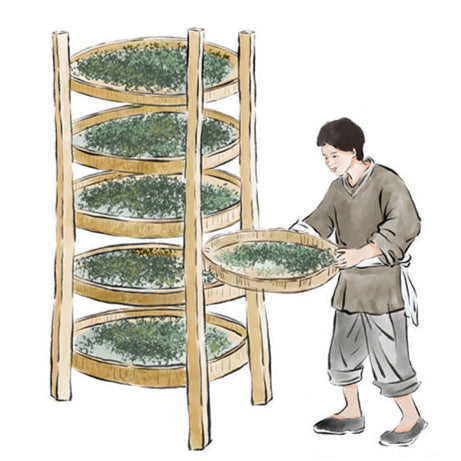
Withering
Right after picking, the leaves are briefly withered to reduce some moisture.
-

Fixation (Steaming)
The leaves are steamed to halt oxidation.
-

Cooling
Tea leaves are cooled down by using fans.
-
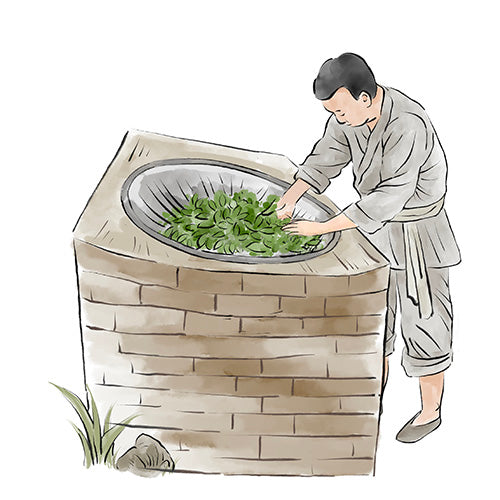
First Stir-Frying
Leaves are heated in a wok to reduce moisture.
-
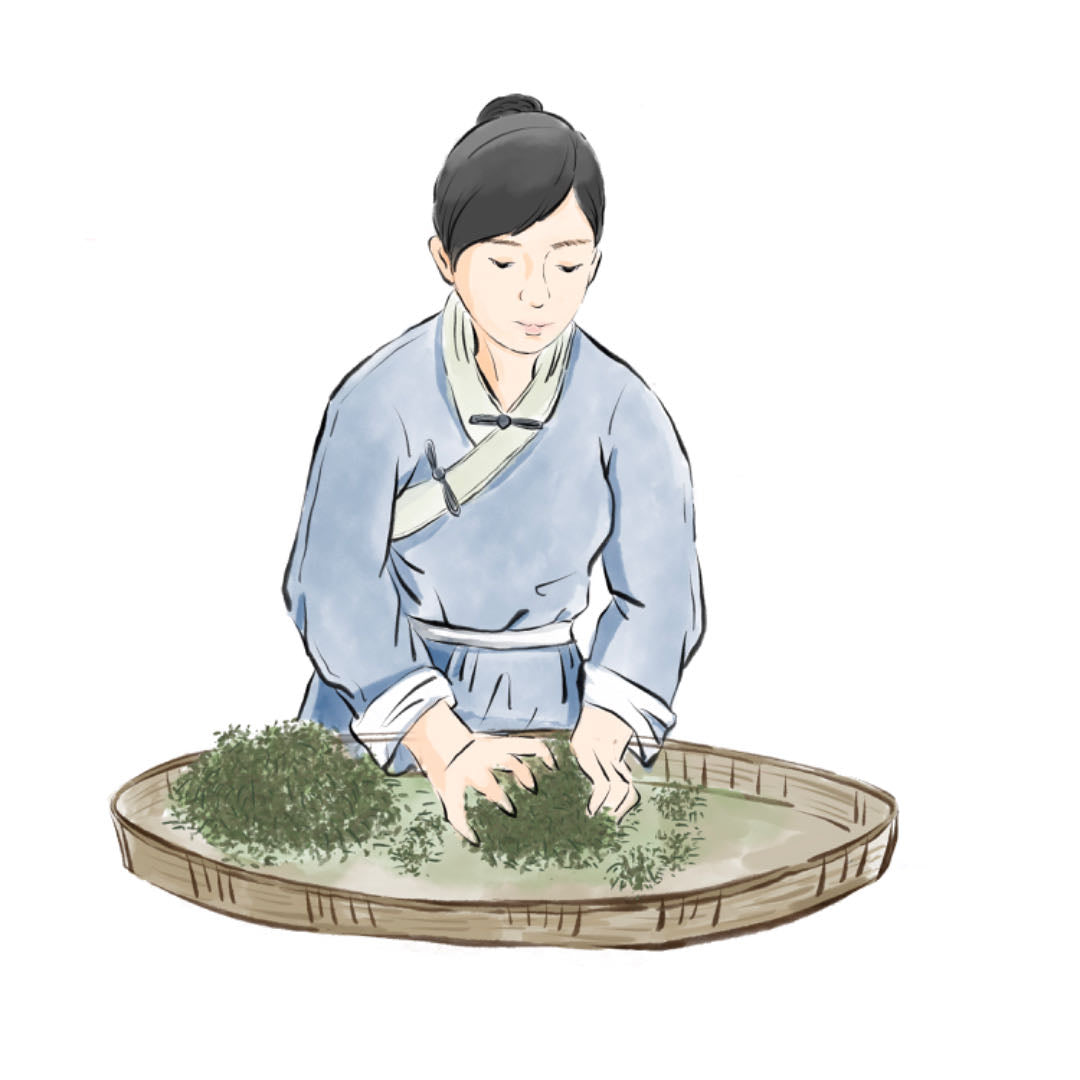
Rolling
The leaves are rolled to further reduce the moisture content.
-

Second Stir-Frying
Leaves are heated in a wok again to dry further.
-

Shaping
The leaves are shaped on a furnace plate.
-
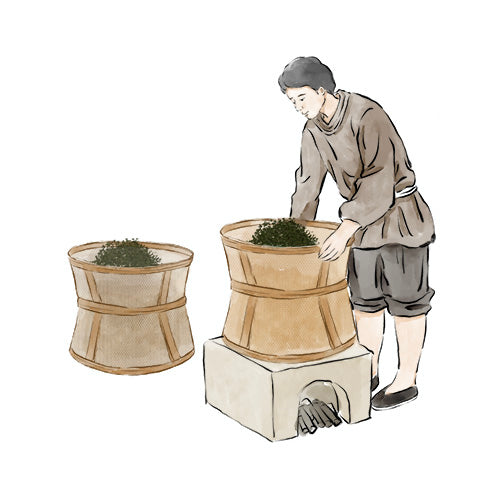
Enhancing Aroma
The dried leaves are shortly heated to enhance aroma.


It is a refined green tea.
The bright green, slightly open dried leaves are thin and pointed, displaying a distinct softness, delicacy, and elasticity. Infused at a temperature of 70°C for 2.5 minutes, they turn a lighter color, releasing a sweet aroma with vegetal nuances, from zucchini to fennel. The liqueur is light and luminous yellow, releasing sweet aromas that maintain the vegetal notes. Upon tasting, a floral, spring-like sweetness immediately emerges, mingling with notes of mint, seaweed, and dried fruit. The softness of these aromas creates a perfect balance between sweetness, savory flavor, and a touch of umami, making this tea a refreshing beverage with a long and pleasant aftertaste. The possibility of multiple infusions, even in the Western style, should not be underestimated.
The tea has a soft flavour, it doesn't particulary stand out, sometimes its slightly bitter. But that probably because iam not verry good at brewing yet :) I really like to drink it when its just an ordinary day and i dont have much time to properly enjoy the tea.
First good quality green tea, and I am very impressed. The first brews are very sweet, slightly astringent, with a predominant taste of green beans (the bean, not the pod), which accentuates as it cools. Then the green bean taste softens and gives room to a coocked chestnut type of flavour, still very sweet. For what I have heard, it endures a lot as well, giving 8+ enjoyable infusions, and I would also recommend cold brewing it once you finish the sesion for a sweet, slightly green, refreshing summer treat. Will definitely keep trying other teas, and will try to get some of this next spring.
Light and fresh, as expectedof a green tea, this one in particular really shows how Chinese and Japanese green teas differ, since it is steamed instead of fried. The taste is much lighter than that of a Japanese green tea, and more mineral as well. Highly recommend it if you haven't tried a Chinese green tea before.
good tea just not for me
Hi there, and thank you for your review! Enshi Yulu has a grassy, seaweed-like aroma that makes it different from other Chinese green teas. If you didn’t enjoy its flavor, you might prefer something nuttier, like Long Jing, or more floral, like Huang Shan Mao Feng.
ottimo
Ottimo, un tè di alta qualità.
This tea is a real enjoyment.
I love it . Excelente tea 🤗
A very interesting light flavor that will be a sea memory.
At first it was difficult to find harmony between the flavor and strength of the tea with several brewings. For me it turned out to be optimal 3 grams of tea with 500ml water at a temperature of 80ºC and a single steep for 5 minutes
A great tea and a special treat at this price point.
The winter picking adds special seaweed like taste profile not typically found in Chinese greens.
5g/100ml, 85C, 20s->+5s
Brewing: 4g/80ml, 80°C, 10s, 5s x 3, +5s.
Warmed-up dry leaves smell of flowers, dry hay and some green cantaloupe. Wet leaves, on the other hand, have a very nutty smell, with a bit of camphor.
The liquor has delicate notes of cooked spinach, raw green vegetables (must be the chlorophyll) and some roasted hazelnuts. The latter makes it more interesting than Japanese steamed green teas.
This tea is light, bright and optimistic - just like Bi Luo Chun. It says that spring is coming and everything will be fine.

Our design work is inspired by the artwork “Along the River During the Qingming Festival” by the Zhang Zeduan in the Song Dynasty. Instead of displaying the daily lives of people in the capital of China (as the original artwork), we display the tea making process of farmers through the same bird’s eye perspective.
When examining our packaging design in detail, tea enthusiasts will observe the tea making process, featuring tea farmers picking, drying, rolling, and frying tea leaves. The tea is then tasted in a pavilion and transported by horses along the ‘ancient tea road’.
Together, the traditional Chinese landscape and tea making theme, symbolise heritage, tradition, and respect for hard work of tea farmers.