


2010 Ancient Gate Yiwu Aged Raw Pu Erh Tea Cake 200g
2010 Ancient Gate Yiwu Aged Raw Pu Erh Tea Cake 200g
Couldn't load pickup availability
The texture is smooth and full-bodied, with a fruity sweetness that captures the patient passage of time within Yiwu’s finest leaves. In the absence of medicinal bitterness, this pu erh is deeply comforting. It is as easy to enjoy as a conversation among friends, tucked away in a quiet courtyard behind the gates of ancient Pingyao.
Appearance & Taste
Rarely do we come across an older raw pu erh that has matured this cleanly. The 2010 spring leaves have deepened in color, the buds have turned a soft golden hue, and the cake surface shows an even, lightly oily sheen, a sign of steady aging.
In the cup, it leans sweet and fruity with a smooth, rounded body. Aging has eased away the original astringency and bitterness, leaving a gentle depth and a lingering sweetness that stays on the palate. Comforting, composed, and remarkably approachable for an aged sheng.
Harvest & Craft
- Harvest: Handpicked in Spring 2010
- Craft: processed into maocha (loose pu erh)
- Aging: Aged for 14.5 years in loose form for uniform inside-out maturation
- Pressing: Steamed and stone-pressed into cakes in November 2025
Because the tea matured as loose maocha for most of its life, the aging is notably even, not just “aged on the surface.” It’s already drinking beautifully now, but it also has room to continue developing.
Packaging
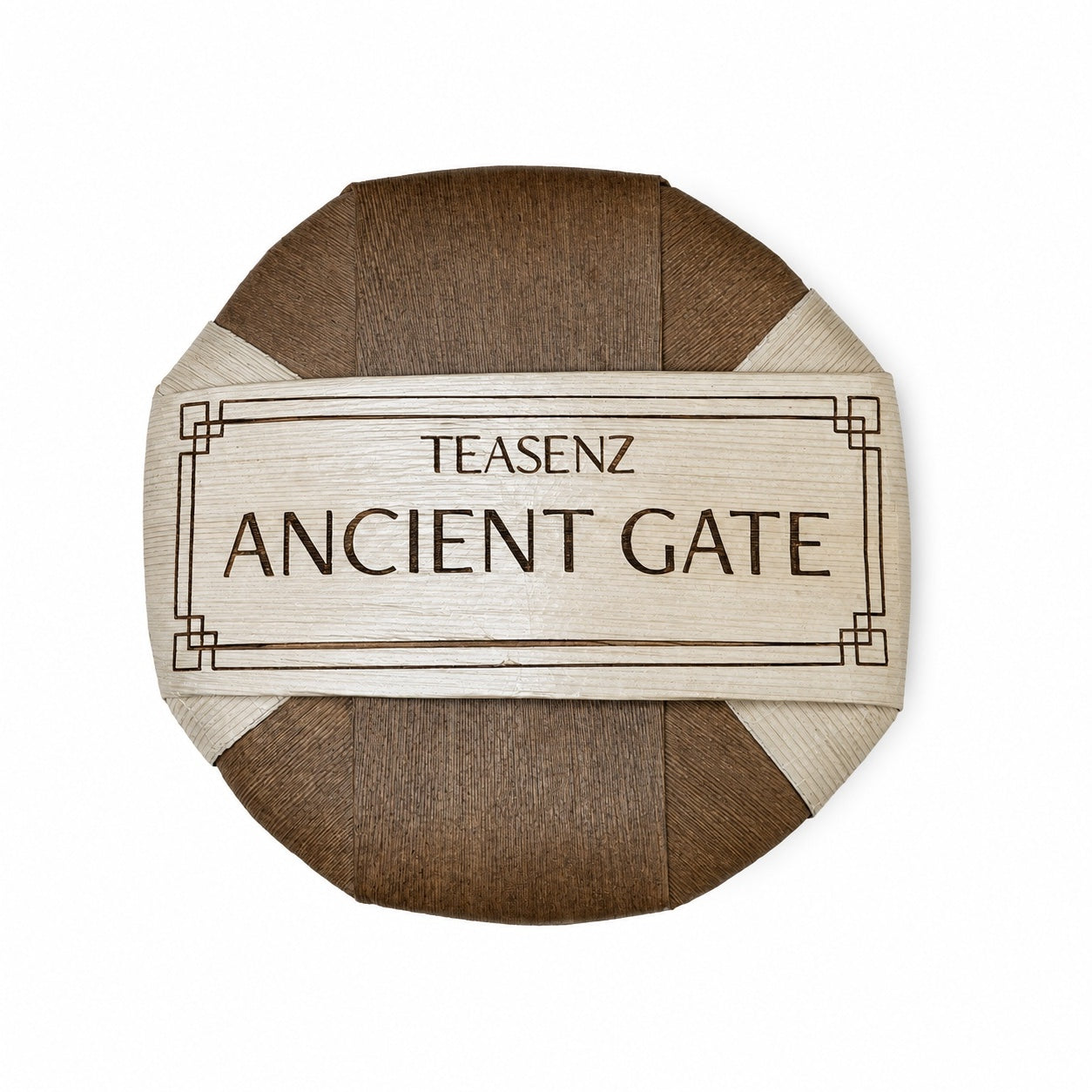
Each cake is double-wrapped in two layers of breathable paper to support further aging. Sets of five cakes are then wrapped in another protective layer and finished with dried bamboo sheathing to help safeguard the tea during storage and transport.
Design: Ancient City of Pingyao
The Ancient Gate label is a nod to Pingyao, the walled city whose massive gates once framed the movement of tea, silver, and people along the trade routes between Xian and Beijing. In the 19th century, Pingyao helped power China’s tea commerce through its piaohao draft banks, financing the long journeys that carried tea from the south toward the northern borders and beyond. Today, that same city feels like a living museum, where preserved stone walls and courtyard tea houses invite a slower pace and a more reflective kind of drinking. Hand-drawn by our artist Suyi in Chinese water-painting style (水墨画). It's so beautiful, it might just belong in a frame on your wall. The design captures this theme of endurance and quiet prosperity, a reminder that like Pingyao itself, well-made pu erh is built to last, deepening in character and value as time does its work.
Origin: Yiwu (1800m)
This tea comes from Yiwu Mountain in Xishuangbanna, Yunnan, at around 1800m elevation. Yiwu is one of the Six Famous Tea Mountains (Yiwu, Yibang, Manzhuan, Mangzhi, Gedeng, and Youle), long prized since the Qing Dynasty as an important center of tea production and trade. Historically, Yiwu teas traveled along old routes to Tibet and were also sent as tribute to imperial courts.
Yiwu is especially known for its mild character, smooth texture, and sweet, lingering aftertaste, and this cake showcases that classic profile with years of maturity layered on top.
Origin
Origin
- Origin: Yiwu, Yunnan
- Harvest: Spring 2010
- Total harvest quantity: 40kg (200 cakes)
- Picking method: hand picked
- Compression: Loosely stone-pressed in November 2025
- Tea type: raw pu erh tea
- Tea shape: tea cake
- Weight: approx. 200g
How to Steep
How to Steep
For all methods, begin by gently prying off tea leaves from the tea cake using a tea knife. This pu erh cake is loosely compressed, so working carefully will help keep the leaves intact and lead to a cleaner, more expressive brew.
This tea is very forgiving, so feel free to steep it a little longer or shorter depending on your preference. If you are unsure, start with the parameters below and adjust from there. For all methods, use freshly boiled water at 100°C.
Traditional (Gongfu) Method
Use 5 g of tea leaves with 100 ml of water in a small gongfu teapot or gaiwan. Steep the first three infusions for 10 seconds each, followed by 15 seconds for the next three steeps. After that, gradually increase the steeping time according to taste as the tea continues to open up.
Western Method
Use 3 g of tea leaves with 500 ml of water. Steep for 5 minutes, then strain and serve. This method yields a full, well-rounded cup with minimal effort.
Shipping, Returns & Payment Methods
Shipping, Returns & Payment Methods
Delivery time: EU delivery takes 1–10 days. For country-specific estimates, please see the Shipping Info page at the bottom of our website.
No import taxes: We ship from our EU warehouse. Customers in the EU will not be charged import taxes upon delivery. All applicable taxes are included in our prices.
Free shipping: From €65 to the Netherlands, Belgium, France, Germany, Luxembourg, and Ireland. From €85 to most other EU countries and the UK.
Returns: We offer a 30-day return period.


How this raw pu erh tea is made
-
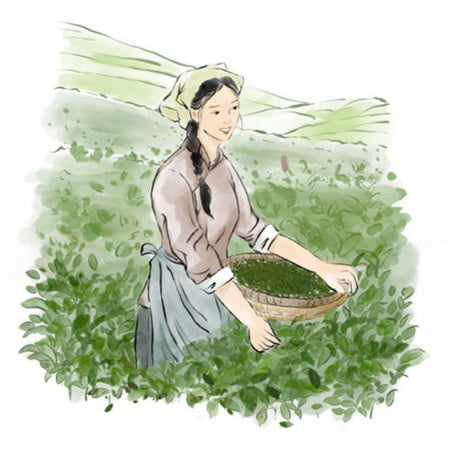
Picking
Tea leaves are hand-picked in the morning.
-
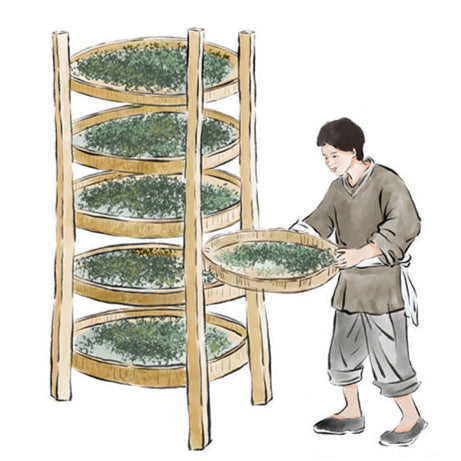
Withering
The leaves are spread on bamboo trays to wither.
-
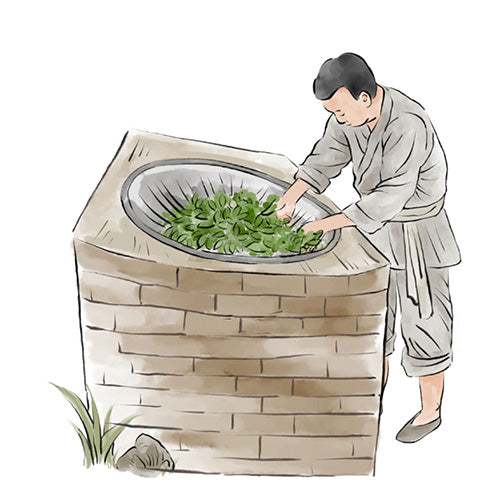
Fixation
The withered leaves are heated to halt oxidation.
-
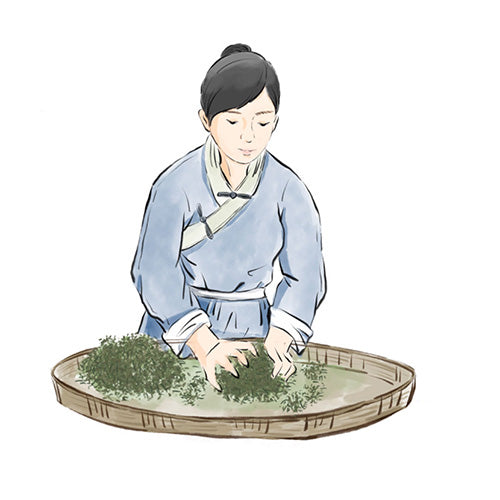
Rolling
The tea leaves are rolled to release their aroma.
-
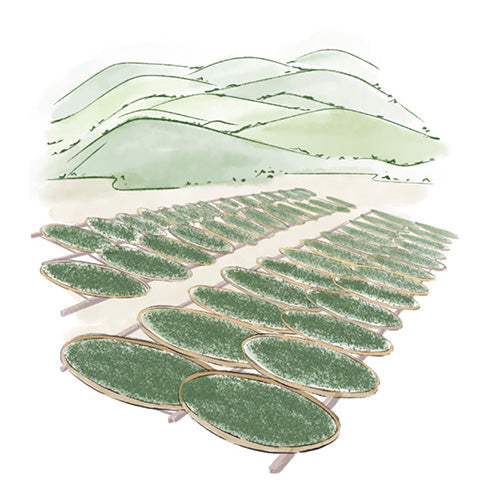
Sun Drying
Rolled leaves are spread on bamboo mats to sun-dry.
-
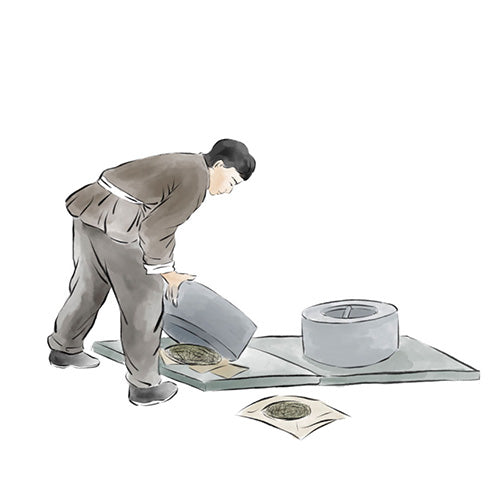
Pressing
The processed tea leaves are steamed & compressed.
-
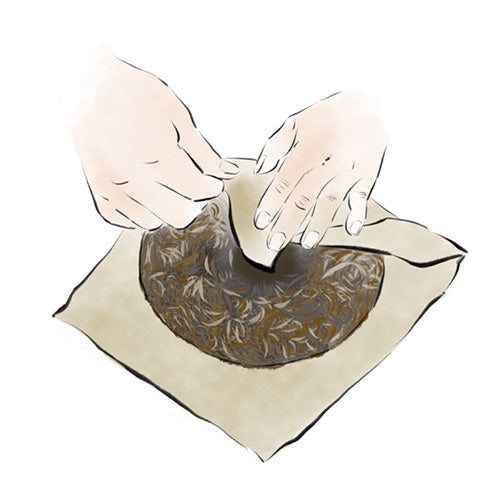
Packaging
The compressed tea is wrapped in paper & packed in boxes.
-
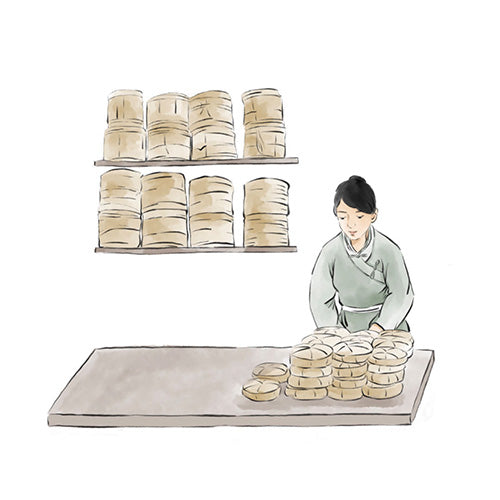
Aging
The raw pu erh tea is stored for further aging.
