


2025 Fengqing Tradycyjne czarne kuleczki herbaty suszone na słońcu
2025 Fengqing Tradycyjne czarne kuleczki herbaty suszone na słońcu
Nie można załadować gotowości do odbioru
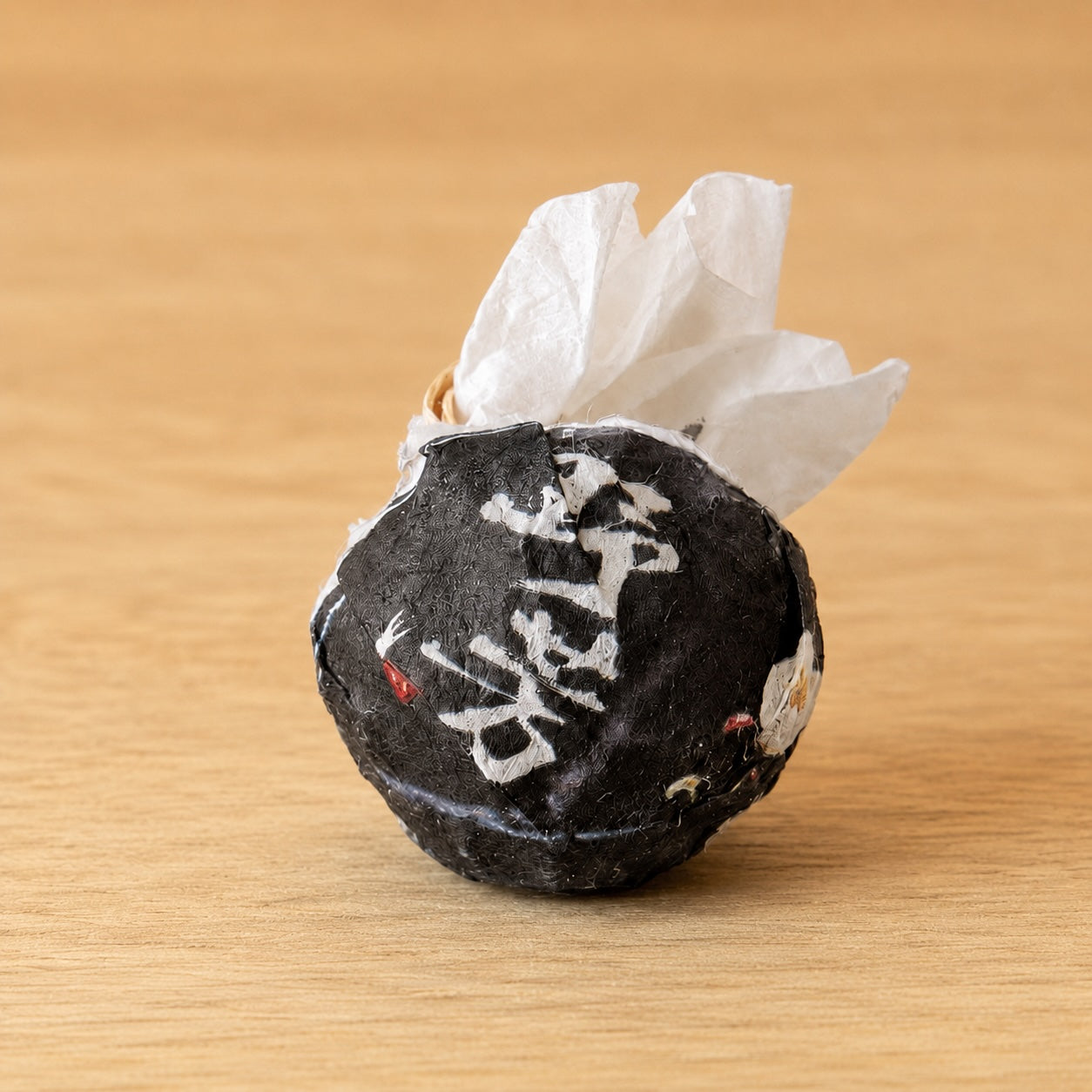
Wysokiej jakości czarna herbata z Yunnanu suszona na słońcu (Shai Hong), zebrana wiosną 2025 roku. Wykonana z lokalnych drzew herbacianych o dużych liściach z Fengqing, ta herbata oferuje wyjątkowo gładką teksturę i bogate nuty miodowo-owocowe. Starannie ręcznie zwijana w wygodne, pojedyncze porcje po 5 g (smocze kule).
Miodowo-słodki smak
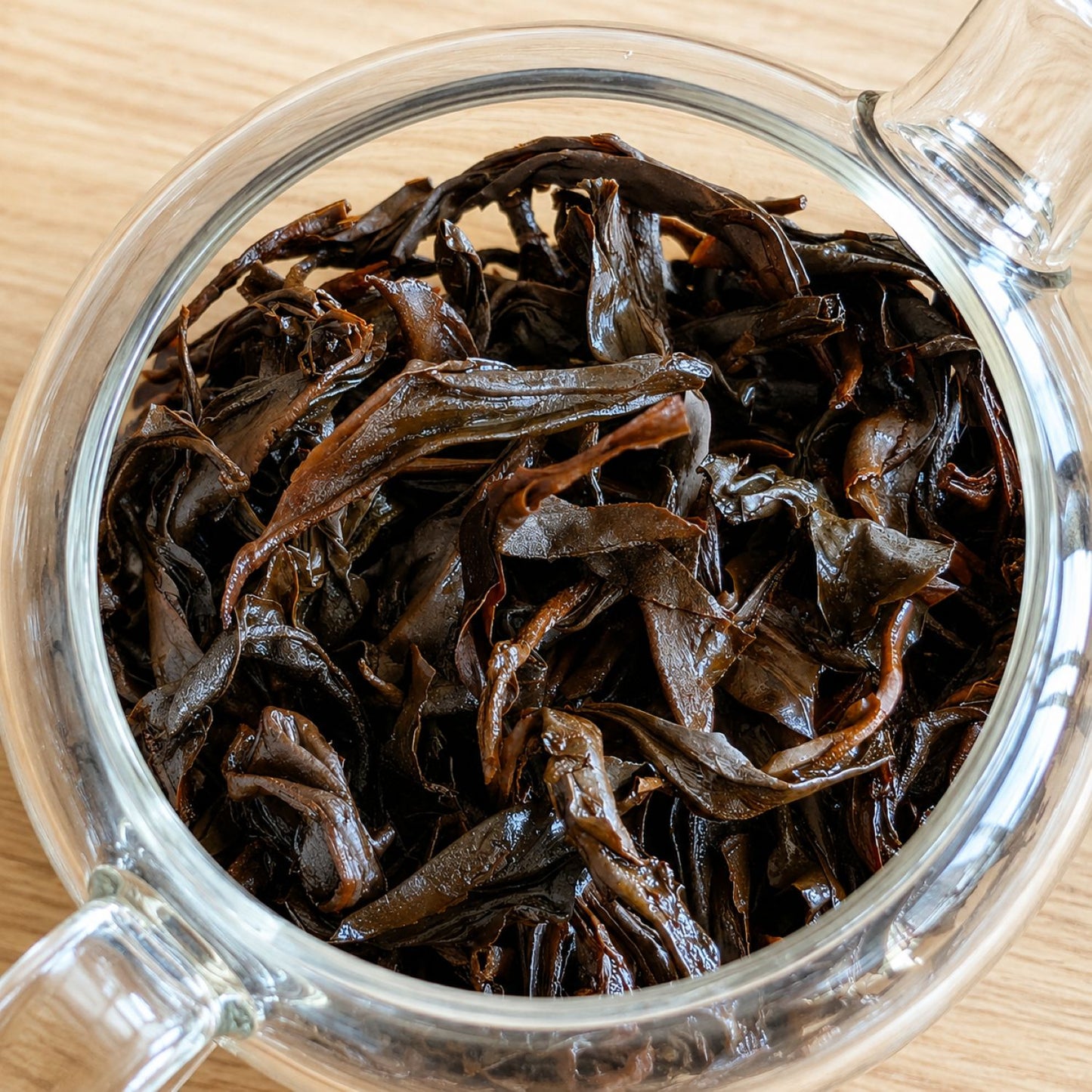
Każda kula 5 g zawiera ściśle zwinięte, grube, ciemnoczarne liście pięknie splecione ze złotymi, puszystymi pąkami. Suchy aromat jest intensywnie słodki, z nutami miodu i dzikich kwiatów. Napar ma krystalicznie czysty, jasny bursztynowy i złocisto-czerwony kolor oraz bogaty, błyszczący wygląd w filiżance. Każdy łyk odsłania nuty słodkiego miodu i dojrzałych owoców, a odczucie w ustach jest wyjątkowo gładkie. Dzięki bardzo niskiej goryczce i ściągającemu posmakowi pozostawia czysty, długotrwały słodki posmak (Hui Gan). Można go parzyć wielokrotnie bez utraty smaku.
Idealny wybór dla miłośników Yunnan Gold, którzy wolą coś nieco bardziej wyrazistego i intensywnego.
Tradycyjne suszenie na słońcu
Większość komercyjnych czarnych herbat jest suszona szybko za pomocą wysokotemperaturowych suszarek maszynowych. Ta herbata powstaje według tradycyjnej, powolnej metody suszenia na słońcu (Shai Hong). Po zwiędnięciu, zwinięciu i utlenieniu świeżych liści wiosennych, są one rozkładane do naturalnego suszenia na słońcu. Unikając silnego ciepła maszynowego, w pełni zachowywane są naturalne aromaty owoców i miodu charakterystyczne dla odmiany o dużych liściach. Ta delikatna metoda zachowuje wewnętrzne składniki odżywcze liści, co skutkuje wyjątkowo gładką teksturą z niemal zerową goryczką, a herbata stopniowo zyskuje na smaku przez lata przechowywania.
Powiat Fengqing
Liście herbaty pochodzą z lokalnych roślin herbacianych w górzystym terenie powiatu Fengqing, Lincang, Yunnan. Region ten charakteryzuje się imponującą pionową ekologią, z wysokościami od 919 do 3100 metrów, ze średnią około 1600 metrów nad poziomem morza. Czyste górskie powietrze, żyzne gleby oraz duże różnice temperatur między dniem a nocą pozwalają drzewom herbacianym powoli gromadzić wysokie stężenie aminokwasów i związków aromatycznych, nadając tej herbacie charakterystycznie bogaty i gładki charakter.
Pochodzenie
Pochodzenie
- Rok: 2025
- Sezon: Wiosna
- Pochodzenie: Lincang, Yunnan
- Rodzaj: czarna herbata suszona na słońcu
- Odmiana: lokalna Assamica Fengqing o dużych liściach (Qunti Da Ye Zhong)
- Kształt: kulki herbaty
Przygotowanie herbaty
Przygotowanie herbaty
Steeping temperature: 100ºC
Western Method: Steep 1 black tea dragon pearl with 500ml of water for 2-3 minutes. After the first steep, re-steep for 3 to 4 minutes.
Traditional method: Steep 1 black tea dragon pearl with 100ml of water and steep for 20 seconds. Add 5 seconds for each following steep.
Wysyłka, Zwroty i Metody Płatności
Wysyłka, Zwroty i Metody Płatności
Czas dostawy: Dostawa w UE trwa od 1 do 10 dni. Szczegółowe informacje dla poszczególnych krajów znajdziesz na stronie Informacje o wysyłce na dole naszej strony internetowej.
Brak podatków importowych: Wysyłamy z naszego magazynu w UE. Klienci z UE nie będą obciążani podatkami importowymi przy dostawie. Wszystkie obowiązujące podatki są wliczone w nasze ceny.
Darmowa wysyłka: Od 65 € do Holandii, Belgii, Francji, Niemiec, Luksemburga i Irlandii. Od 85 € do większości innych krajów UE oraz Wielkiej Brytanii.
Zwroty: Oferujemy 30-dniowy okres na zwrot.



Nasze prace projektowe inspirowane są dziełem sztuki „Wzdłuż rzeki podczas festiwalu Qingming” autorstwa Zhanga Zeduana z dynastii Song. Zamiast pokazywać codzienne życie ludzi w stolicy Chin (jako oryginalne dzieło sztuki), pokazujemy proces parzenia herbaty przez rolników z tej samej perspektywy z lotu ptaka.
Przyglądając się szczegółowo projektowi naszych opakowań, miłośnicy herbaty będą obserwować proces parzenia herbaty, podczas którego rolnicy zbierają, suszą, zwijają i smażą liście herbaty . Następnie herbata jest degustowana w pawilonie i transportowana konno „starożytnym szlakiem herbacianym”.
Tradycyjny chiński krajobraz i motyw parzenia herbaty razem symbolizują dziedzictwo, tradycję i szacunek dla ciężkiej pracy plantatorów herbaty.