


2013/2019 Chaze 'Da Huang Yin' Żółta etykieta Dojrzała Ciasto Herbata Pu Erh 357g
2013/2019 Chaze 'Da Huang Yin' Żółta etykieta Dojrzała Ciasto Herbata Pu Erh 357g
Nie można załadować gotowości do odbioru
Ten wyjątkowo gładki, dojrzały herbata pu erh jest wykonany z liści herbaty zebranych w 2013 roku i sprasowanych w ciasta w 2019 roku. Charakteryzuje się zachwycającą paletą aromatów ryżu, orzechów, kremu, czerwonych owoców, mięty i orzeźwiającej słodyczy. Jest w nim także coś naprawdę wyjątkowego, co naszym zdaniem naprawdę się wyróżnia: doskonały 'Chen Xiang'. Więcej na ten temat można przeczytać poniżej.
Ten żółty etykietowy ciasto herbaty z fabryki Chaze jest wykonany z materiału premium (1 pąk, 2-3 liście) z regionu herbaty Menghai. Liście herbaty są zbierane z dzikich drzew w regionie, które mają 100 lat lub więcej.
Chen Xiang: Zapach wieku.
Termin 'Chen Xiang' często pojawia się w świecie herbaty pu erh i uważamy, że jest używany zbyt często. Termin dosłownie tłumaczy się jako 'zapach wieku'. Chen Xiang jest trudny do opisania, ale trzeba go doświadczyć.
Dojrzała herbata pu erh, taka jak ta, którą widzisz na tej stronie, nie zmienia się tak bardzo z wiekiem jak surowa herbata pu erh. Jednak Chen Xiang może się rozwinąć, gdy dojrzała herbata pu erh jest wykonana z wysokiej jakości materiału, zrównoważonego i nie zbyt agresywnego przetwarzania oraz optymalnie przechowywana. Dokładnie to reprezentuje to ciasto herbaty pu erh i dlatego dodaliśmy je do naszej kolekcji.
Pochodzenie
Pochodzenie
- Marka: Chaze Tea Factory
- Rok: 2013
- Pora roku: Wiosna
- Pochodzenie: Menghai
- Stopień liści: dzikie liście herbaty
- Odmiana: duży liść Assamica (Da Ye Zhong)
- Rodzaj: herbata pu erh
- Waga: 357g
- Typ: dojrzała (shou)
- Seria/przepis: Żółta Etykieta (Da Huang Yin)
- Kształt: placek herbaty pu erh
Jak zaparzyć
Jak zaparzyć
How to make this Chaze Yellow label pu erh tea?
There are two methods to prepare this tea:
Gongfu brewing
Brew 5 gram with 100 ml of water at 100 °C. Steep for 15 seconds and gradually increase the steeping time for every next infusion.
Western brewing
Steep 3 gram with 350 ml of water at 100 °C. Apply a brewing time of 3 minutes and add 1 minute for each next infusion.
Wysyłka, Zwroty i Metody Płatności
Wysyłka, Zwroty i Metody Płatności
Czas dostawy: Dostawa w UE trwa od 1 do 10 dni. Szczegółowe informacje dla poszczególnych krajów znajdziesz na stronie Informacje o wysyłce na dole naszej strony internetowej.
Brak podatków importowych: Wysyłamy z naszego magazynu w UE. Klienci z UE nie będą obciążani podatkami importowymi przy dostawie. Wszystkie obowiązujące podatki są wliczone w nasze ceny.
Darmowa wysyłka: Od 65 € do Holandii, Belgii, Francji, Niemiec, Luksemburga i Irlandii. Od 85 € do większości innych krajów UE oraz Wielkiej Brytanii.
Zwroty: Oferujemy 30-dniowy okres na zwrot.


Jak powstaje ta dojrzała herbata pu erh
-
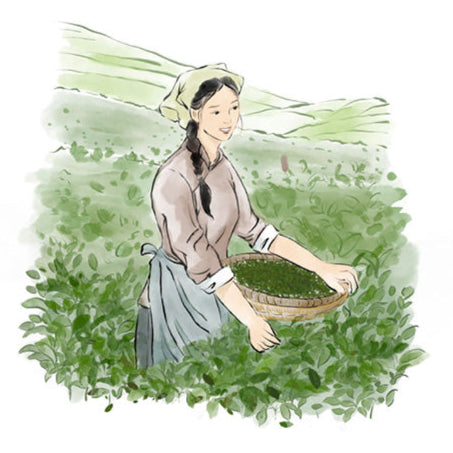
Zbieranie
Liście herbaty są zbierane ręcznie rano.
-
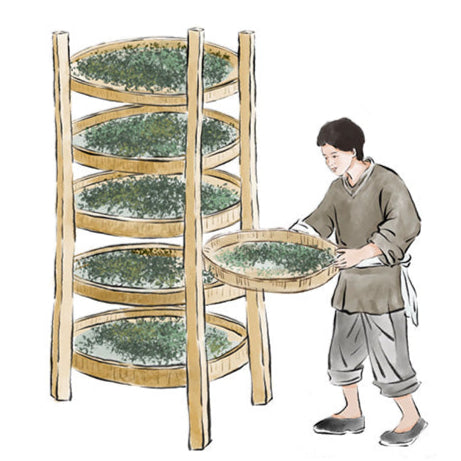
Więdnięcie
Liście są rozłożone na bambusowych tacach, aby zwiędły.
-
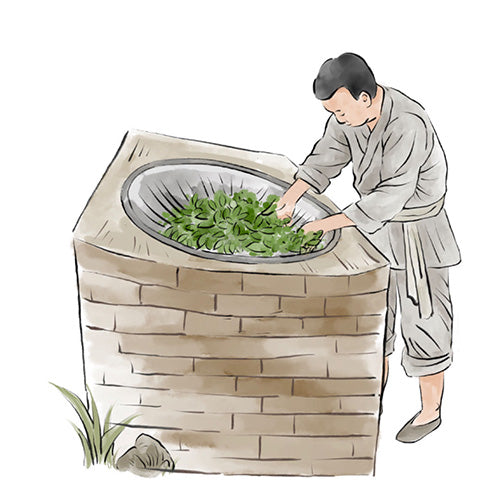
Fiksacja (podgrzewanie)
Uschnięte liście są podgrzewane, aby zatrzymać utlenianie.
-
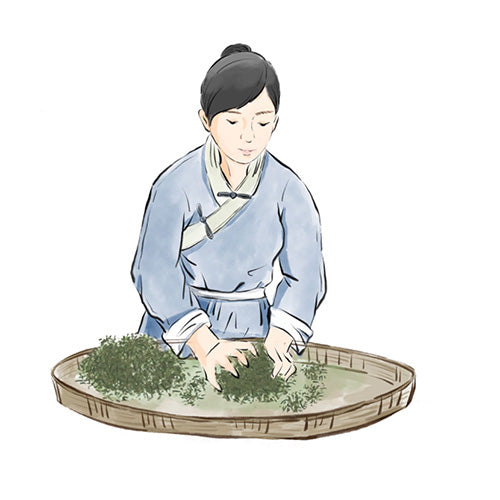
Skręcanie
Liście herbaty są zwijane, aby uwolnić ich aromat.
-
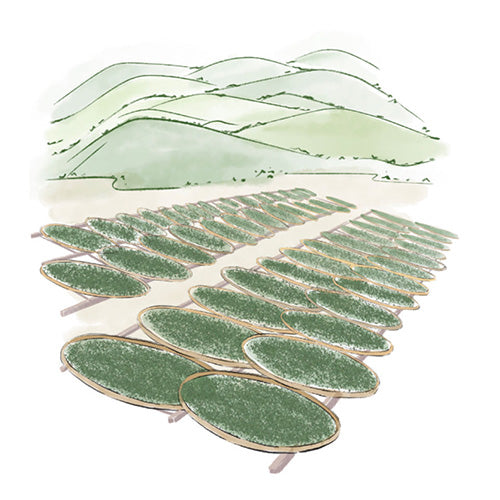
Suszenie na słońcu
Zrolowane liście są rozkładane na bambusowych matach do suszenia na słońcu.
-

Fermentacja
Liście są poddawane fermentacji wtórnej w kontrolowanym środowisku.
-
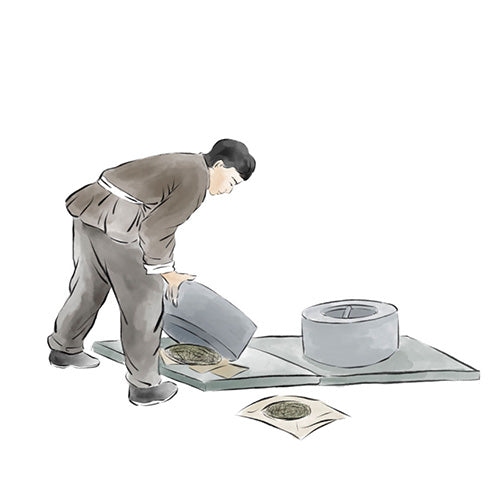
Prasowania
Herbata po fermentacji jest parzona na parze i prasowana.
-
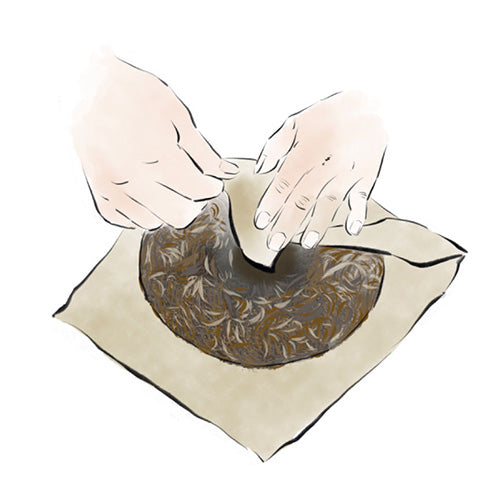
Opakowanie
Sprasowana herbata jest owinięta w papier i zapakowana w pudełka.

