


2014 Dr Puer Nannuo Gu Hua Xiang Surowych Herbata Pu Erh
2014 Dr Puer Nannuo Gu Hua Xiang Surowych Herbata Pu Erh
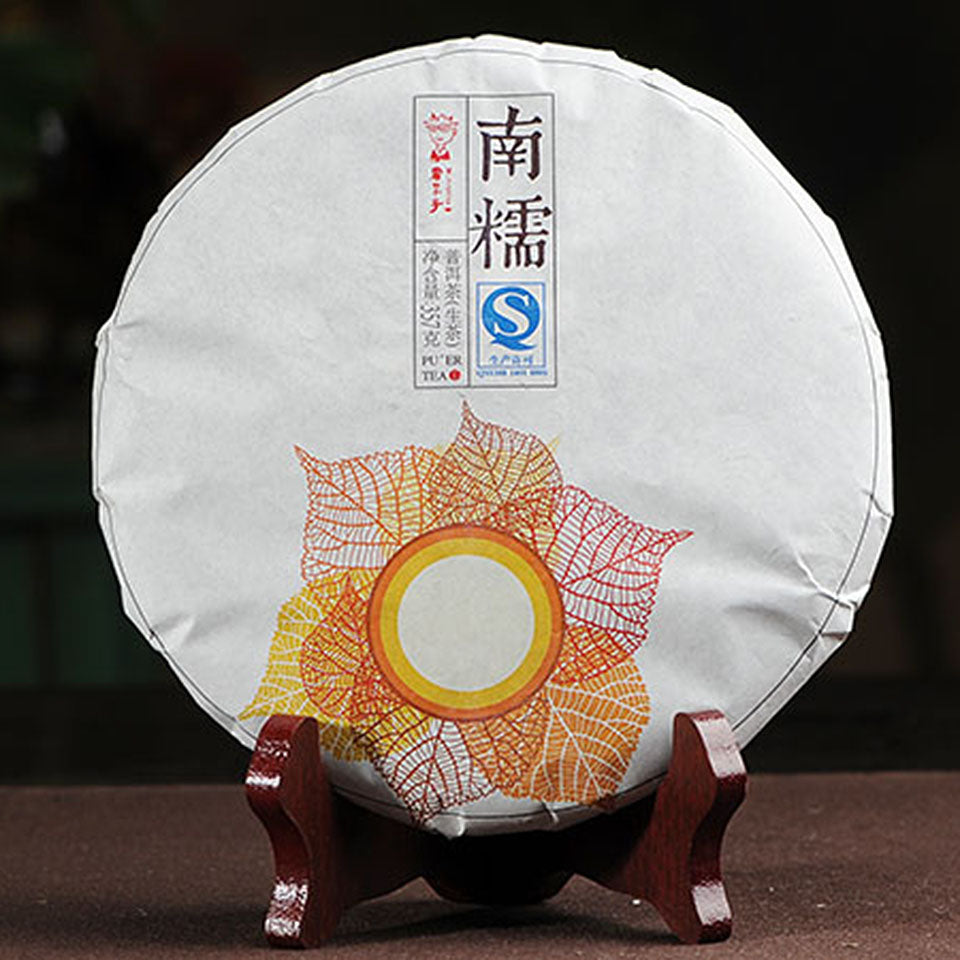
Jesienne, surowe ciasto herbaciane pu erh z dzikiej altanki (qiao mu) w górach Nannuo. Smak: dojrzałe owoce; miód; skórka pomarańczowa; cukier trzcinowy.
Pochodzenie
Pochodzenie
- Rok: 2014
- Sezon: Jesień
- Pochodzenie: Góra Nannuo
- Klasa liści: dzikie drzewo (qiao mu)
- Odmiana: duży liść Assamica (Da Ye Zhong)
- Data produkcji: 41908
- Partia: 1
- Stopień prasowania: średni
- Typ: surowy (sheng)
- Marka: Dr Puer
- Seria/przepis: Nannuo Gu Hua Xiang (Dolina Kwiatu)
- Forma: placek herbaty pu erh
- Waga: 357g
Jak parzyć
Jak parzyć
How to make Dr Puer Nannuo Gu Hua Xiang (Valley Flower) tea?
There are two methods to prepare this pu erh tea cake:
Gongfu brewing
Brew 8 gram with 120 ml of water at 100 °C. Steep for 15 seconds and add 5 seconds for each infusion.
Western brewing
Steep 4 gram with 350 ml of water at 100 °C. Apply a brewing time of 2-3 minutes and add 1 minutes for each subsequent infusion.



Nasza praca projektowa jest inspirowana dziełem „Wzdłuż rzeki podczas święta Qingming” autorstwa Zhang Zeduan z dynastii Song. Zamiast przedstawiać codzienne życie ludzi w stolicy Chin (jak w oryginalnym dziele), ukazujemy proces produkcji herbaty przez rolników z tej samej perspektywy z lotu ptaka.
Analizując szczegółowo nasz projekt opakowania, miłośnicy herbaty zauważą proces produkcji herbaty, ukazujący plantatorów zbierających, suszących, zwijających i smażących liście herbaty. Herbata jest następnie degustowana w pawilonie i transportowana konno wzdłuż „starej drogi herbaty”.
Razem, tradycyjny chiński krajobraz i motyw produkcji herbaty symbolizują dziedzictwo, tradycję oraz szacunek dla ciężkiej pracy plantatorów herbaty.