


2013/2019 Chaze 'Da Huang Yin' Gele Label Rijpe Pu Erh Thee Cake 357g
2013/2019 Chaze 'Da Huang Yin' Gele Label Rijpe Pu Erh Thee Cake 357g
Kan beschikbaarheid voor afhalen niet laden
Deze uitzonderlijk zachte, rijpe pu erh-thee is gemaakt van theebladeren geoogst in 2013 en geperst tot cakes in 2019. Het heeft een heerlijk aroma palet van rijst, noten, room, rode vruchten, munt en een verfrissende zoetheid. Er is ook iets heel bijzonders aan deze thee, waarvan wij geloven dat het echt opvalt: uitstekende 'Chen Xiang'. Je kunt hieronder meer lezen over dit fenomeen.
Deze Yellow Label thee cake van de Chaze-fabriek is gemaakt van premium materiaal (1 knop, 2-3 bladeren) uit de Menghai thee regio. De theebladeren worden geplukt van wilde bomen in de regio met een leeftijd van 100 jaar of ouder.
Chen Xiang: De geur van ouderdom.
De term 'Chen Xiang' komt vaak voor in de wereld van pu erh-thee, en wij vinden dat het te veel wordt gebruikt. De term vertaalt letterlijk naar 'de geur van ouderdom'. Chen Xiang is moeilijk te beschrijven, maar moet ervaren worden.
Rijpe pu erh-thee, zoals die op deze pagina, verandert niet zo veel met de leeftijd zoals rauwe pu erh-thee. Toch kan Chen Xiang zich ontwikkelen wanneer een rijpe pu erh-thee wordt gemaakt van materiaal van hoge kwaliteit, met een gebalanceerde en niet te agressieve verwerking, en optimaal wordt opgeslagen. Dat is precies wat deze pu erh-thee cake vertegenwoordigt, en waarom we het aan onze collectie hebben toegevoegd.
Herkomst
Herkomst
- Merk: Chaze Theefabriek
- Jaar: 2013
- Seizoen: Lente
- Herkomst: Menghai
- Bladkwaliteit: wilde theebladeren
- Variëteit (kweekvorm): grootbladige Assamica (Da Ye Zhong)
- Soort: pu erh thee
- Gewicht: 357g
- Type: rijp (shou)
- Reeks/recept: Geel Etiket (Da Huang Yin)
- Vorm: pu erh theekoek
Bereiding / zetadvies
Bereiding / zetadvies
How to make this Chaze Yellow label pu erh tea?
There are two methods to prepare this tea:
Gongfu brewing
Brew 5 gram with 100 ml of water at 100 °C. Steep for 15 seconds and gradually increase the steeping time for every next infusion.
Western brewing
Steep 3 gram with 350 ml of water at 100 °C. Apply a brewing time of 3 minutes and add 1 minute for each next infusion.
Verzending, retour & betaalmethoden
Verzending, retour & betaalmethoden
Levertijd: 1 dag voor Nederland, 2-3 dagen voor België en Luxemburg. Voor andere landen kan je onze verzendpagina raadplegen.
Geen invoerbelastingen: wij verzenden vanuit ons magazijn in de EU. Klanten binnen de EU hoeven bij levering geen invoerbelastingen te betalen. Alle belastingen zijn al in onze prijzen inbegrepen.
Gratis verzending: vanaf €65 naar Nederland, België, Frankrijk, Duitsland, Luxemburg en Ierland. Vanaf €85 naar de meeste andere EU-landen en het Verenigd Koninkrijk.
Retourneren: wij bieden een retourtermijn van 30 dagen.


Hoe deze rijpe pu erh thee is gemaakt
-
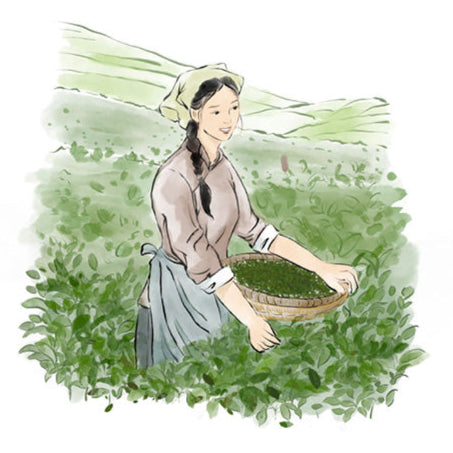
Plukken
Theebladeren worden 's ochtends met de hand geplukt.
-
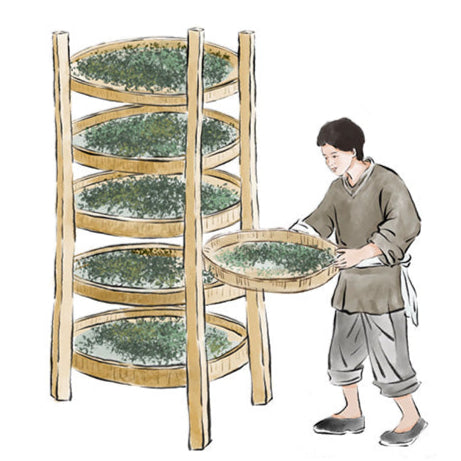
Verwelken
De bladeren worden op bamboe schalen uitgespreid om te verwelken.
-
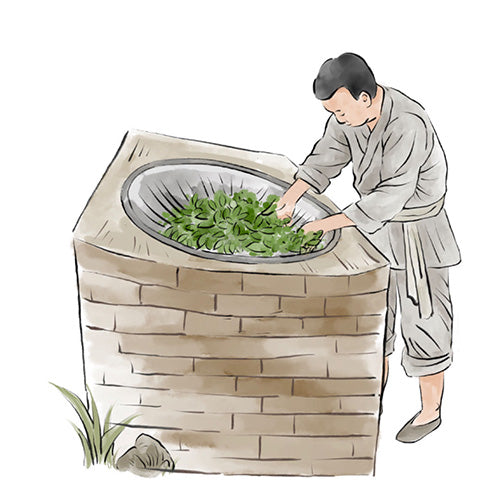
Fixatie
De verwelkte bladeren worden verwarmd om oxidatie te stoppen.
-
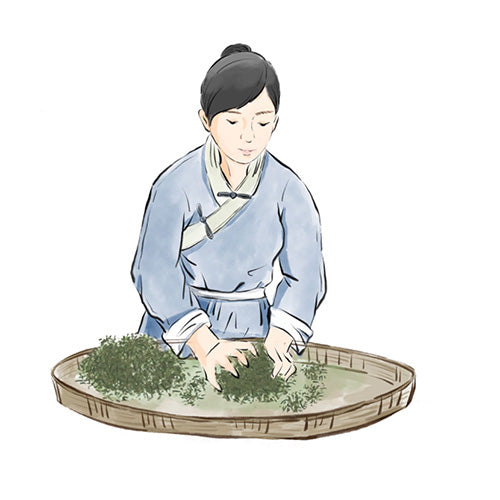
Rollen
Theebladeren worden gerold om hun aroma vrij te geven.
-
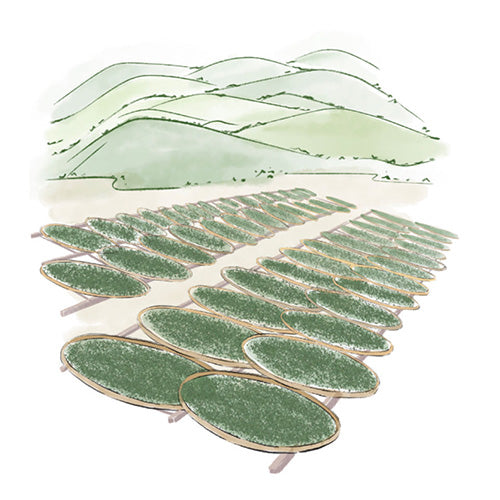
Drogen in de zon
Gerolde bladeren worden uitgespreid op bamboematjes om te drogen in de zon.
-

Fermentatie
De bladeren worden nagedroogd in een gecontroleerde omgeving.
-
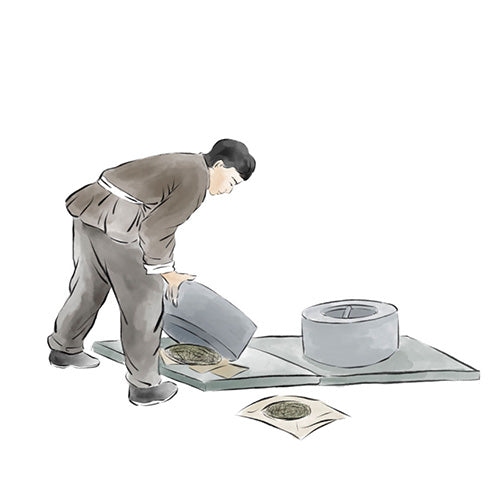
Compressie
De post-gefermenteerde thee wordt gestoomd en geperst.
-
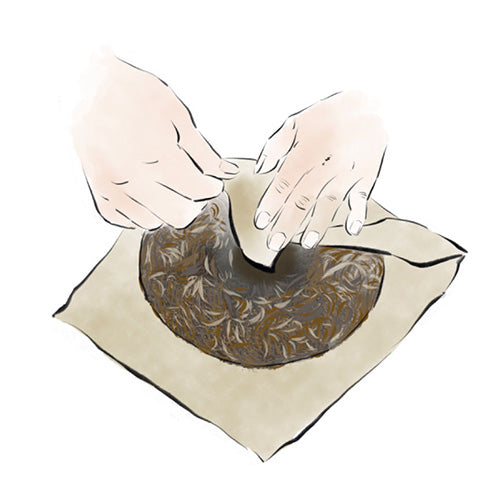
Verpakken
De geperste thee is in papier gewikkeld en verpakt in dozen.

