


2014 г. Dr Puer Nannuo Gu Hua Xiang Суров Чай ПУ-ЕР
2014 г. Dr Puer Nannuo Gu Hua Xiang Суров Чай ПУ-ЕР
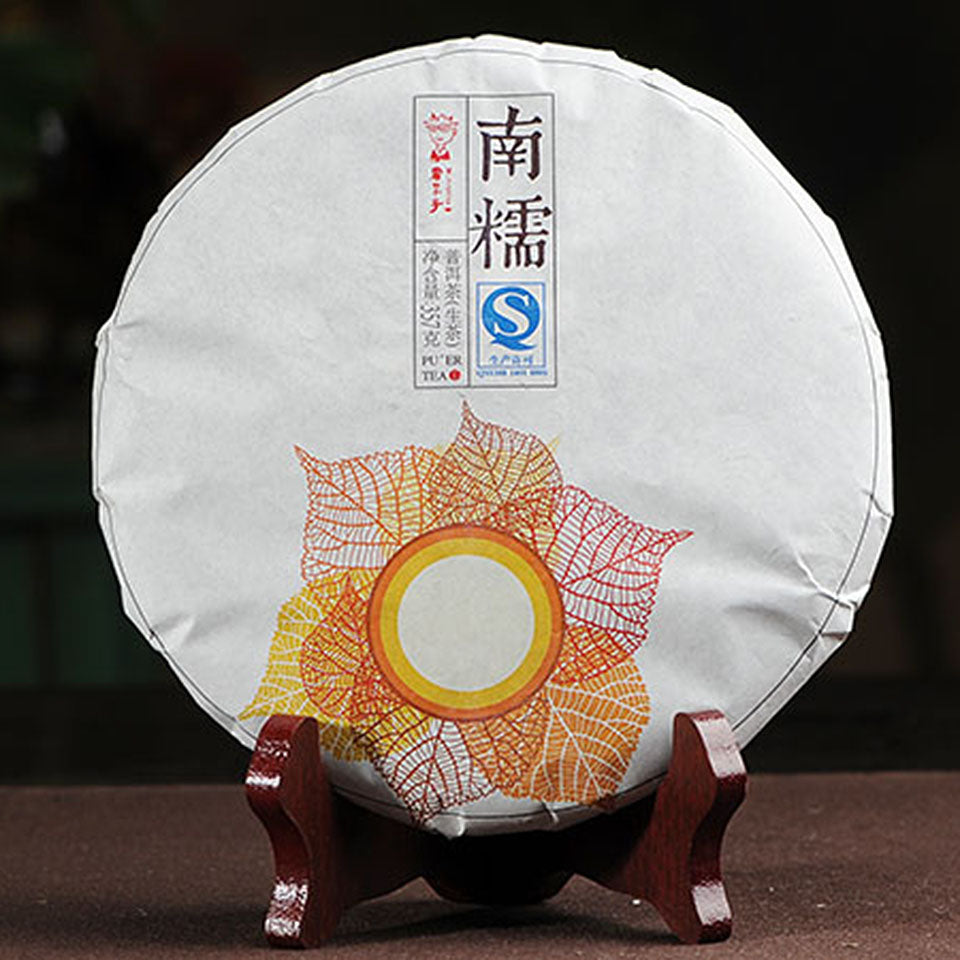
Есенна сурова пуер чаена торта от диво дърво (qiao mu) в планината Nannuo. Вкус: зрели плодове;мед;портокалова кора;захарна тръстика.
Произход
Произход
- Година: 2014
- Сезон: Есен
- Произход: Планина Наннуо
- Клас на листата: диво дърво (цяло дърво)
- Сорт: голямолистен асамски (Да Йе Чжун)
- Дата на производство: 41908
- Партия: 1
- Притискане: средно
- Вид: суров (шен)
- Марка: Dr Puer
- Серия/рецепта: Наннуо Гу Хуа Сян (Долински цвет)
- Форма: пу ер чайна пита
- Тегло: 357г
Как да накиснете
Как да накиснете
How to make Dr Puer Nannuo Gu Hua Xiang (Valley Flower) tea?
There are two methods to prepare this pu erh tea cake:
Gongfu brewing
Brew 8 gram with 120 ml of water at 100 °C. Steep for 15 seconds and add 5 seconds for each infusion.
Western brewing
Steep 4 gram with 350 ml of water at 100 °C. Apply a brewing time of 2-3 minutes and add 1 minutes for each subsequent infusion.



Нашата дизайнерска работа е вдъхновена от произведението „По реката по време на фестивала Цинмин“ от Чжан Зедуан от династията Сун. Вместо да показваме ежедневието на хората в столицата на Китай (както в оригиналното произведение), ние показваме процеса на приготвяне на чай от фермерите чрез същата птичи поглед.
При подробно разглеждане на нашия дизайн на опаковката, любителите на чая ще наблюдават процеса на приготвяне на чай, включващ събиране, сушене, навиване и пържене на чаени листа от фермерите. След това чайът се опитва в павилион и се транспортира с коне по „древния чайен път“.
Заедно, традиционният китайски пейзаж и темата за приготвяне на чай символизират наследство, традиция и уважение към усърдната работа на чаените фермери.