


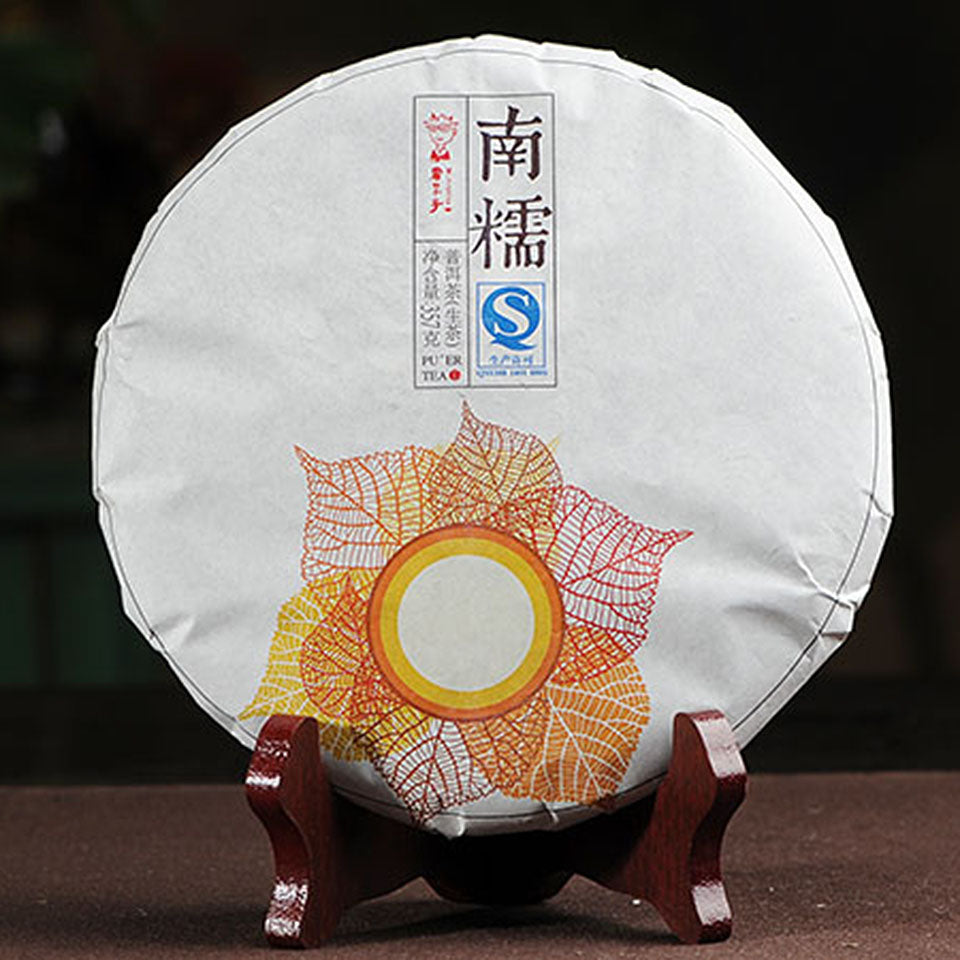
2014 Dr Puer Nannuo Gu Hua Xiang Nyers Pu Erh Tea
2014 Dr Puer Nannuo Gu Hua Xiang Nyers Pu Erh Tea
Őszi nyers pu erh tea korong vad lugasfáról (qiao mu) a Nannuo-hegységben. Íz: érett gyümölcsök; méz; narancshéj; cukornád.
Eredet
Eredet
- Év: 2014
- Évszak: Ősz
- Eredet: Nannuo-hegy
- Levélminőség: vad lombos fa (qiao mu)
- Fajta (nemesítés): nagy levelű asszám (Da Ye Zhong)
- Elkészítés dátuma: 41908
- Tétel: 1
- Tömörítés: közepes
- Típus: nyers (sheng)
- Márka: Dr Puer
- Sorozat/recept: Nannuo Gu Hua Xiang (Völgyvirág)
- Forma: pu erh tealemez
- Súly: 357g
Hogyan áztassuk
Hogyan áztassuk
How to make Dr Puer Nannuo Gu Hua Xiang (Valley Flower) tea?
There are two methods to prepare this pu erh tea cake:
Gongfu brewing
Brew 8 gram with 120 ml of water at 100 °C. Steep for 15 seconds and add 5 seconds for each infusion.
Western brewing
Steep 4 gram with 350 ml of water at 100 °C. Apply a brewing time of 2-3 minutes and add 1 minutes for each subsequent infusion.



Dizájnmunkánkat a Song-dinasztia Zhang Zeduan „A Qingming fesztivál idején a folyó mentén” című műalkotása ihlette. Az eredeti műalkotás helyett, amely Kína fővárosának mindennapi életét ábrázolja, mi a teafarmerek teakészítési folyamatát mutatjuk be ugyanabból a madártávlatból.
Ha részletesen megvizsgáljuk a csomagolásunk dizájnját, a tea rajongói megfigyelhetik a teakészítés folyamatát, amelyben teafarmerek szedik, szárítják, sodorják és sütik a tealeveleket. A teát ezután egy pavilonban kóstolják, majd lovakkal szállítják az „ősi teaúton”.
Együtt a hagyományos kínai táj és a teakészítés témája a hagyományt, az örökséget és a teafarmerek kemény munkájának tiszteletét szimbolizálja.